
Composite Resin
- Tooth-coloured — blends with your natural teeth
- Bonds directly to the tooth, preserving more structure
- Completed in a single appointment
- Now the standard material in most Australian practices

Restorative Dentistry
That twinge when you bite into something cold. The dull ache that comes and goes. Fillings are the most common dental treatment in Australia, and your dental team at Joyner makes the process straightforward, comfortable, and transparent.
01 / What are dental fillings?
When bacteria in your mouth produce acid that wears through tooth enamel, a cavity forms. Left alone, it grows. A dental filling removes the decayed material and replaces it with a durable restoration — sealing the tooth, stopping the decay, and letting you chew comfortably again.
The average Australian adult has 11.2 decayed, missing, or filled teeth. If your dentist has recommended a filling, you are in a very large group. It is one of the most routine procedures in dentistry, and at Joyner Family Dental it typically takes under an hour.
Your dental team will always explain what they have found, show you the X-rays, and walk you through your options before any work begins. No surprises — just a clear plan you understand and agree to.
If decay has reached the tooth’s nerve, a filling alone may not be enough — root canal treatment may be recommended instead. Heavily damaged teeth may require a dental crown to protect what remains. Speak to our team at your next check-up and clean to catch issues early.
11.2
average decayed, missing, or filled teeth per Australian adult
Source: AIHW 2017-18

02 / Your options
Your dentist will recommend a material based on the location of the cavity, its size, and your preferences. Here is how the most common options compare.
Your consultation includes a full explanation of your options, the costs involved, and a written quote before any work begins.

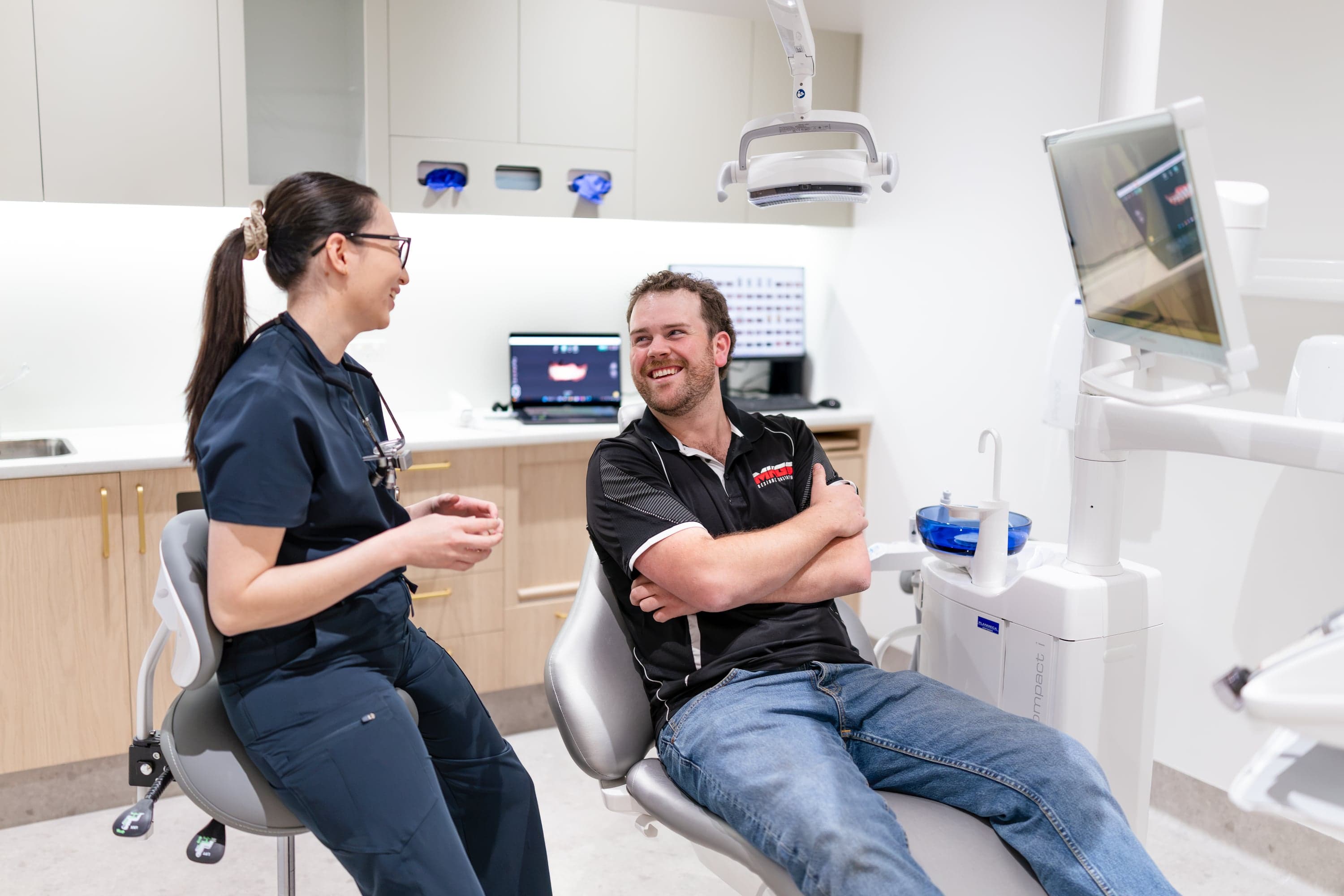
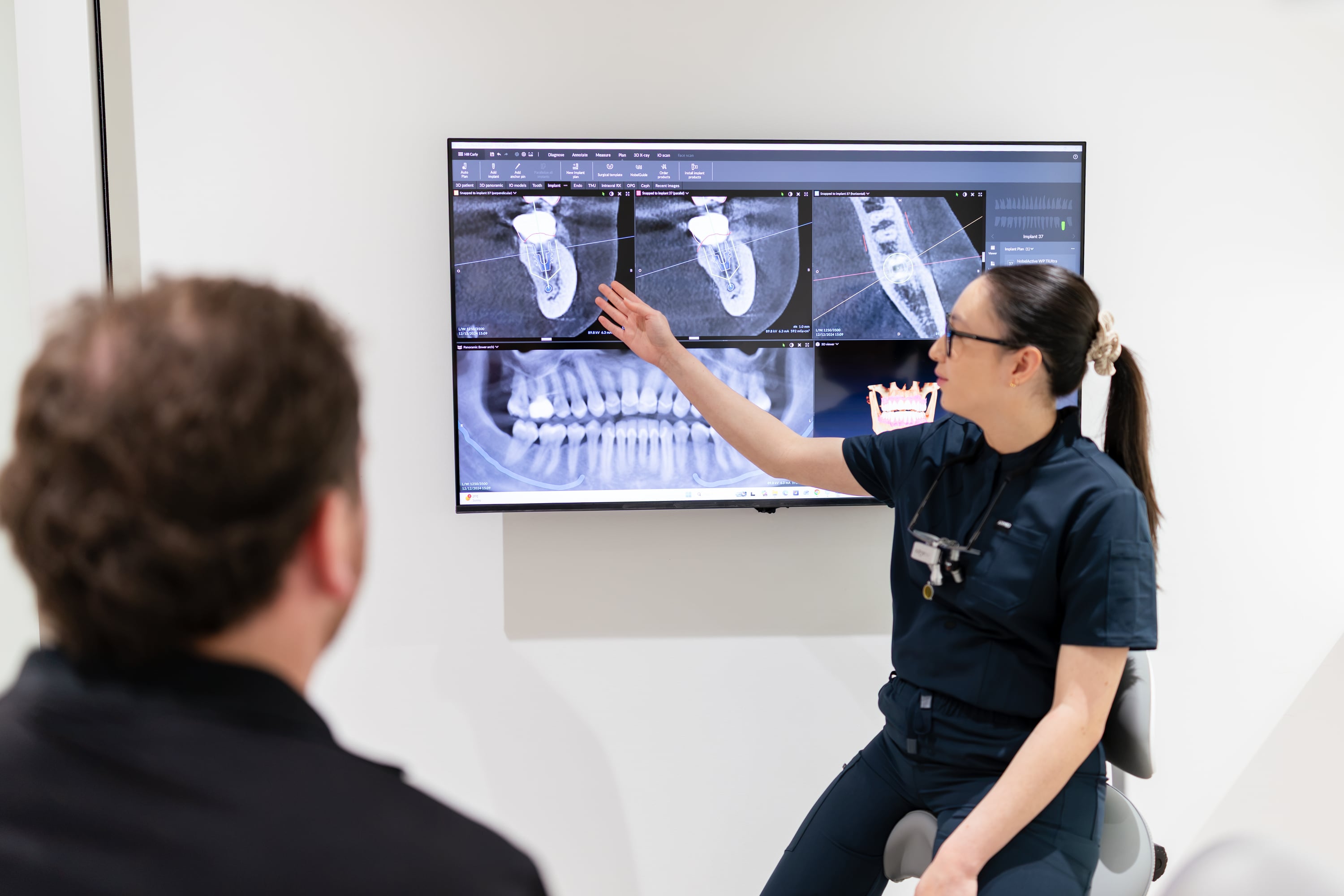
Your dentist examines the tooth visually and with X-rays to determine the extent of the decay. You will see the images on screen and hear exactly what has been found before any decisions are made.

Your dentist examines the tooth visually and with X-rays to determine the extent of the decay. You will see the images on screen and hear exactly what has been found before any decisions are made.
A topical numbing gel is applied to your gum first, so you barely feel the local anaesthetic injection that follows. Within a few minutes the area is fully numb. You can raise your hand at any point to pause.


A topical numbing gel is applied to your gum first, so you barely feel the local anaesthetic injection that follows. Within a few minutes the area is fully numb. You can raise your hand at any point to pause.

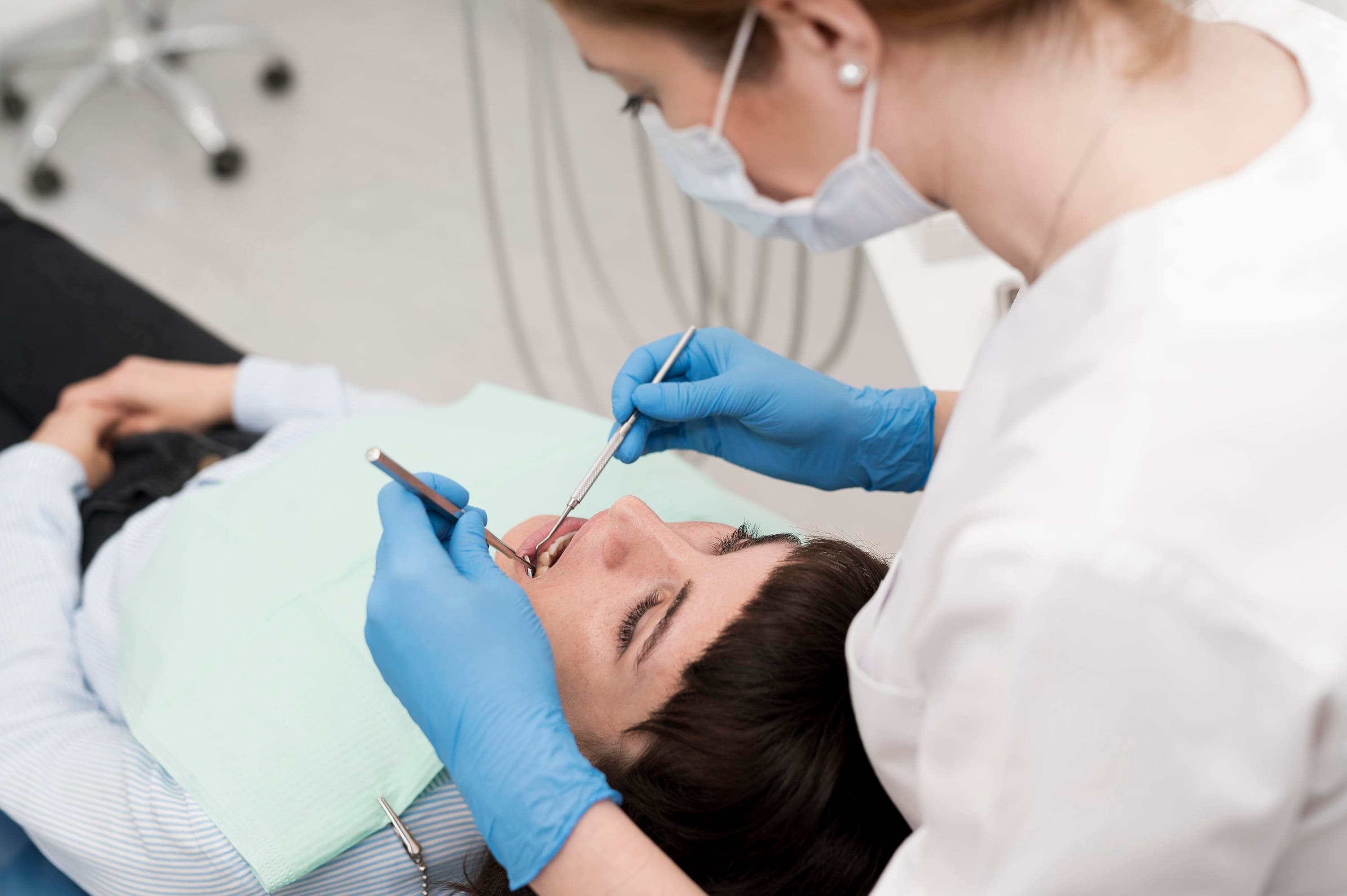
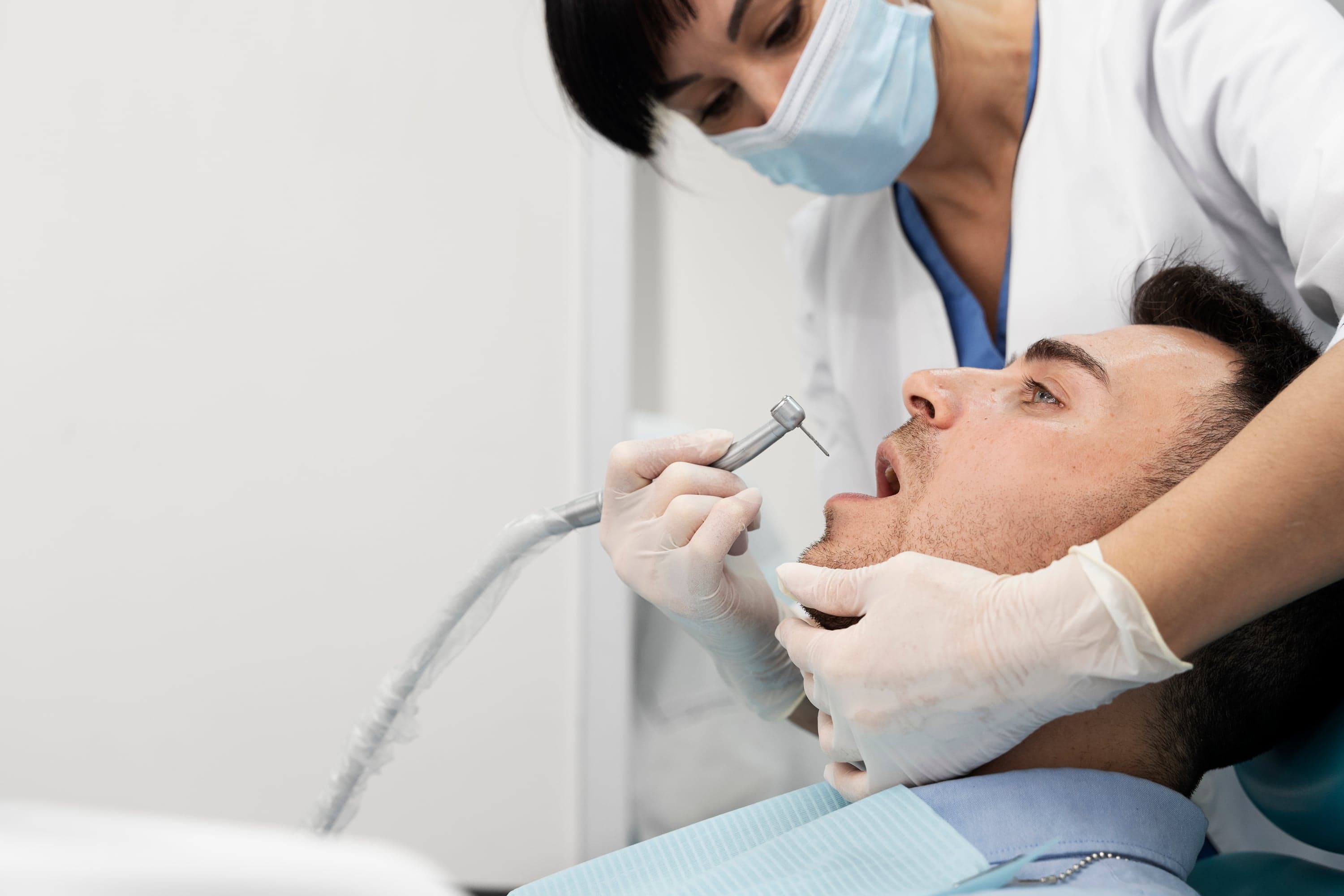
Using a precision handpiece, your dentist removes the decayed material while preserving as much healthy tooth as possible. A slower handpiece is used for fine detail work near the nerve.
Any surgical or invasive procedure carries risks. Before proceeding, you should seek a second opinion from an appropriately qualified health practitioner.

Using a precision handpiece, your dentist removes the decayed material while preserving as much healthy tooth as possible. A slower handpiece is used for fine detail work near the nerve. Any surgical or invasive procedure carries risks. Before proceeding, you should seek a second opinion from an appropriately qualified health practitioner.
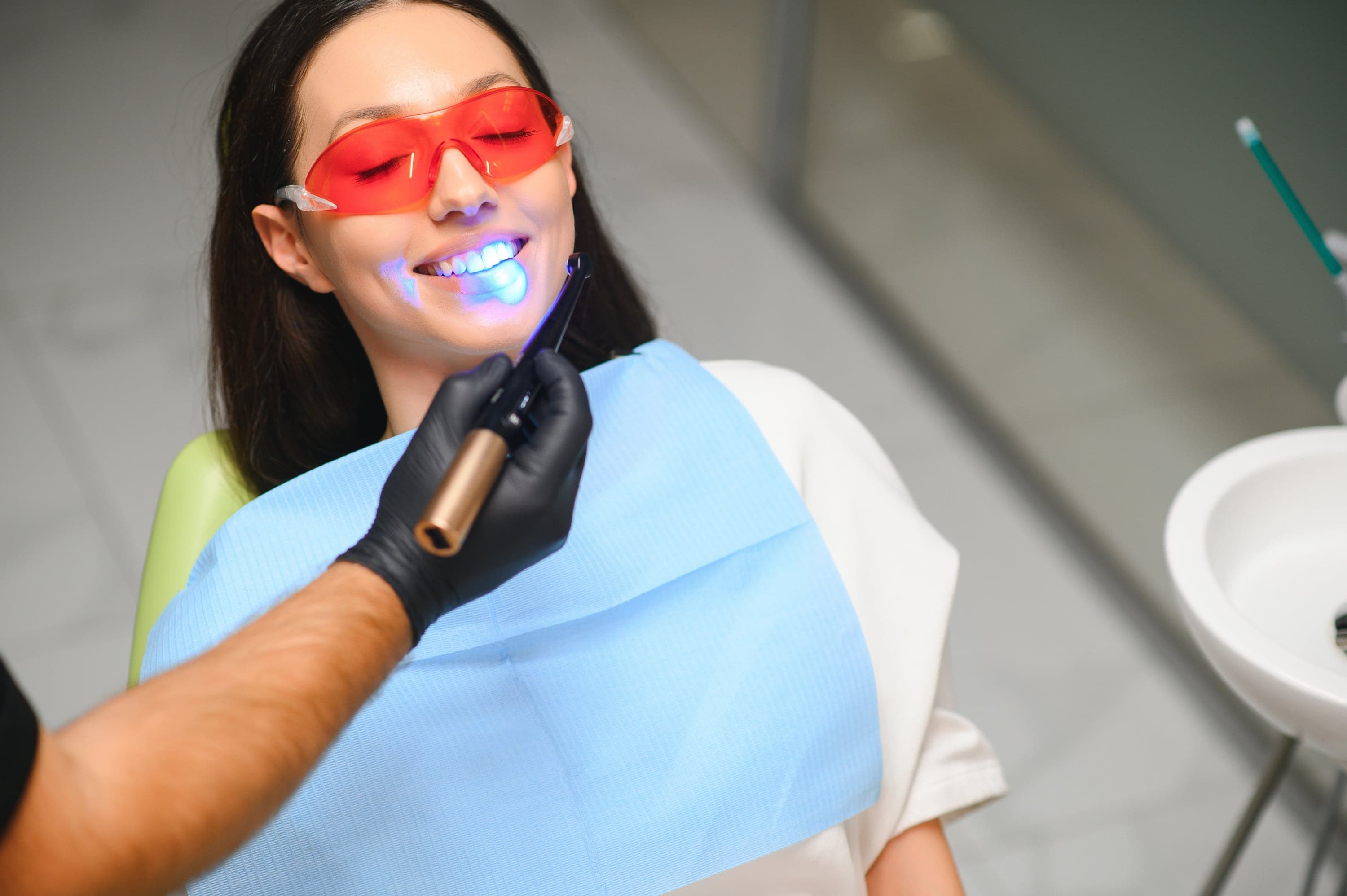
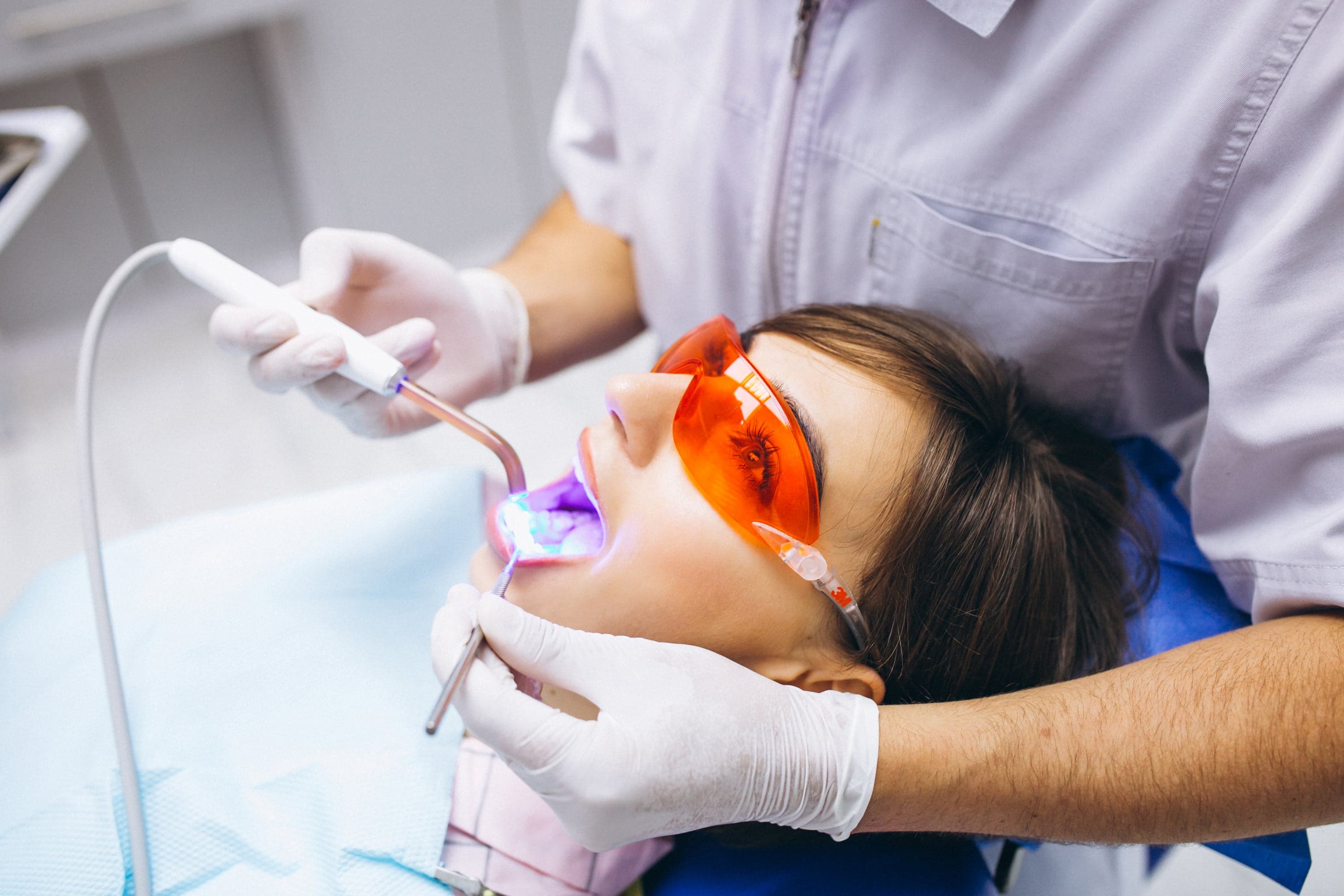
The chosen material is placed in layers. For composite resin, each layer is hardened with a UV curing light before the next is added — building a strong, durable restoration from the inside out.


The chosen material is placed in layers. For composite resin, each layer is hardened with a UV curing light before the next is added — building a strong, durable restoration from the inside out.

Your dentist carefully shapes the filling to match your tooth's natural contours, then polishes it smooth. The goal is a surface you cannot distinguish from the tooth around it.

Your dentist carefully shapes the filling to match your tooth's natural contours, then polishes it smooth. The goal is a surface you cannot distinguish from the tooth around it.
You bite on thin articulating paper so your dentist can fine-tune the height until it feels completely natural. Before you leave, your dental team explains what to expect over the next few days — including any mild sensitivity and when to call.


You bite on thin articulating paper so your dentist can fine-tune the height until it feels completely natural. Before you leave, your dental team explains what to expect over the next few days — including any mild sensitivity and when to call.
Composite fillings restore your tooth with precision — matched to your natural colour, shaped to your bite.


Australians will experience tooth decay in their lifetime
Source: AIHW
Your dental team will explain every step before beginning. You set the pace, and you are always in control.
Any surgical or invasive procedure carries risks. Before proceeding, you should seek a second opinion from an appropriately qualified health practitioner.
04 / Costs and payment
Every filling is different — the cost depends on the material, the number of tooth surfaces involved, and the complexity of the restoration. Here are our typical ranges.
$150–$275
Most small cavities fall into this category
What’s included
$200–$475
Larger cavities or those between teeth
What’s included
$1,158 per eligible child over two calendar years
Children aged 0-17 eligible for Medicare, whose family receives a qualifying government payment such as Family Tax Benefit Part A. Fillings are covered under the CDBS.
Prices include the procedure, local anaesthesia, and a follow-up bite check. Your initial consultation and any required X-rays are quoted separately. All prices are a guide — you will receive a written quote before any work begins.
We accept all major health funds and process claims on the spot with HICAPS. Your rebate depends on your level of extras cover — ask your fund or check your policy for details.
05 / Amalgam and safety
Amalgam fillings contain mercury as part of a stable alloy that also includes silver, copper, and tin. The Australian Dental Association confirms that amalgam is a durable, safe, and effective material, supported by more than 150 years of clinical research. No credible evidence links dental amalgam to chronic diseases, kidney disease, autoimmune conditions, or cognitive decline.
That said, the trend in Australian dentistry is moving toward composite resin. Australia ratified the Minamata Convention on Mercury in 2021, and from January 2024 amalgam is only available in pre-dosed capsulated form. Most practices — including Joyner Family Dental — now default to composite for routine restorations.
If you have existing amalgam fillings that are in good condition, there is no clinical reason to replace them. Removing functional amalgam unnecessarily means drilling away healthy tooth structure. Your dental team will only recommend replacement when there is a clinical need — such as a crack, a leak, or recurrent decay around the margins.
Composite resins do contain BPA derivatives, but peer-reviewed research confirms that any release is negligible and returns to pre-treatment levels within two to four weeks. The European Food Safety Authority classifies the exposure as well within safe limits.
Australian Dental Association
Australian Government DCCEEW
PMC Systematic Review

06 / Common questions
Answers to the questions your dental team hears most often about fillings.

Whether it is a single filling or a plan for several, your consultation starts with a thorough assessment, a clear explanation of your options, and a written quote. No pressure, no surprises.