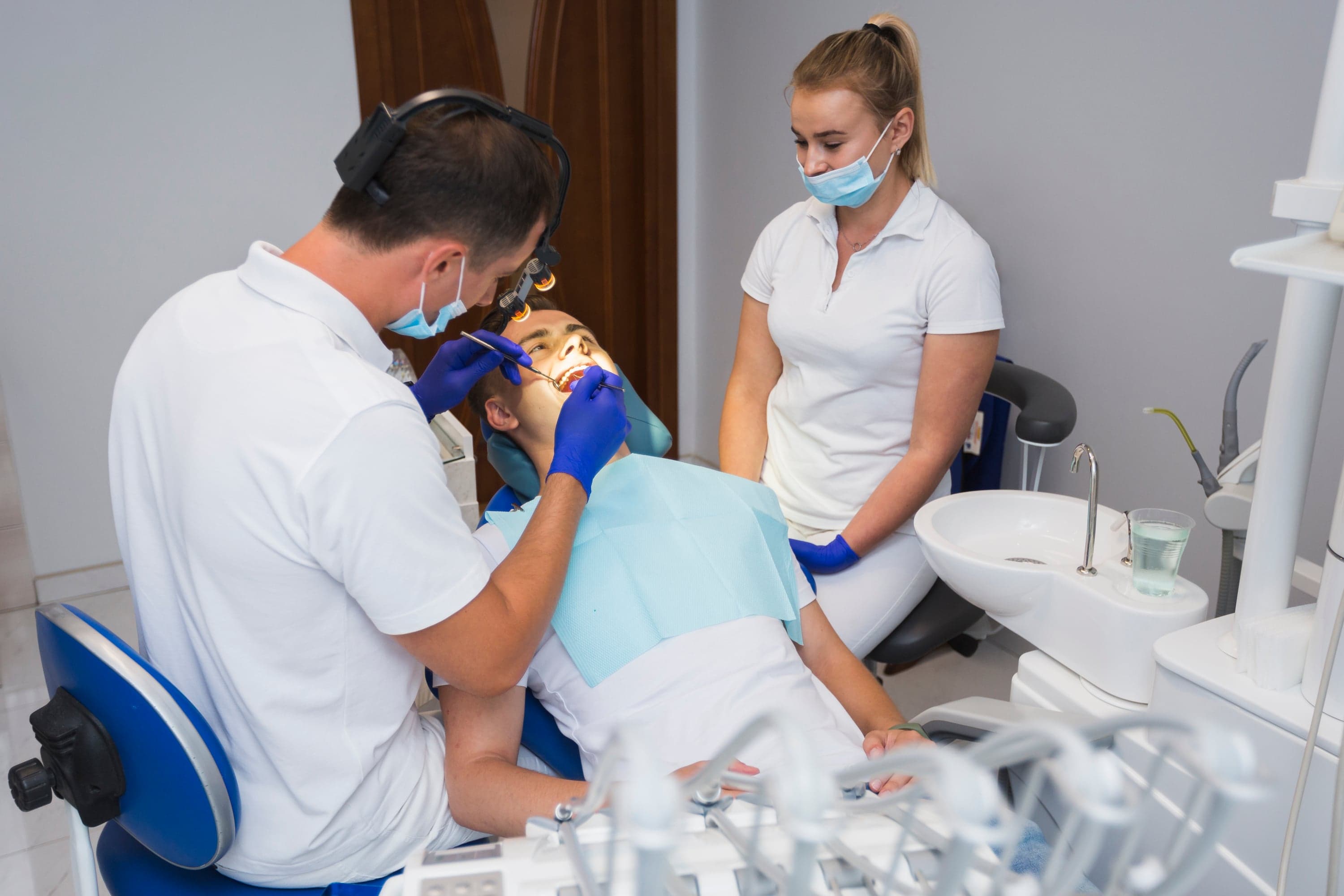
Restorative Dentistry
Root Canal Treatment in Joyner — It Is Not What You Think
The words "root canal" carry more fear than the procedure deserves. Modern root canal treatment is a reliable way to relieve pain and keep your natural tooth — and at Joyner Family Dental, your comfort shapes every step.


01 / Understanding root canal treatment
What Happens Inside a Tooth — and Why It Matters
Beneath the hard enamel and dentine of every tooth sits a soft tissue called the pulp. It contains nerves, blood vessels, and connective tissue that helped the tooth grow during development. Once the tooth is fully formed, it can survive without the pulp — it receives nourishment from the surrounding tissues instead.
When bacteria reach the pulp — through deep decay, a crack, repeated dental work, or trauma — the tissue becomes inflamed or infected. That is the source of the throbbing, keep-you-up-at-night pain that sends people searching for answers at two in the morning.
Root canal treatment removes the infected pulp, cleans and shapes the inside of the root canals, and seals the space with a biocompatible filling. The tooth stays in your mouth, anchored in your jawbone, doing its job. No gap, no implant, no denture.
Root canal treatment is almost always followed by a dental crown to protect and seal the treated tooth. If you’re experiencing severe pain right now, our emergency dental service offers same-day appointments. Anxious patients can choose from our sedation options to stay comfortable throughout the procedure.
of root canal treatments are clinically successful at 5 years
Source: International Endodontic Journal 2022

Signs You Might Need Root Canal Treatment

Persistent toothache that worsens when you bite down or apply pressure

Prolonged sensitivity to hot or cold that lingers for minutes after the source is removed

Darkening or discolouration of a single tooth

A recurring pimple (fistula) or bump on the gum near the affected tooth

Swelling or tenderness in the gum tissue surrounding a specific tooth

Swelling in the face, jaw, or neck
02 / The procedure
Root Canal Treatment — Step by Step
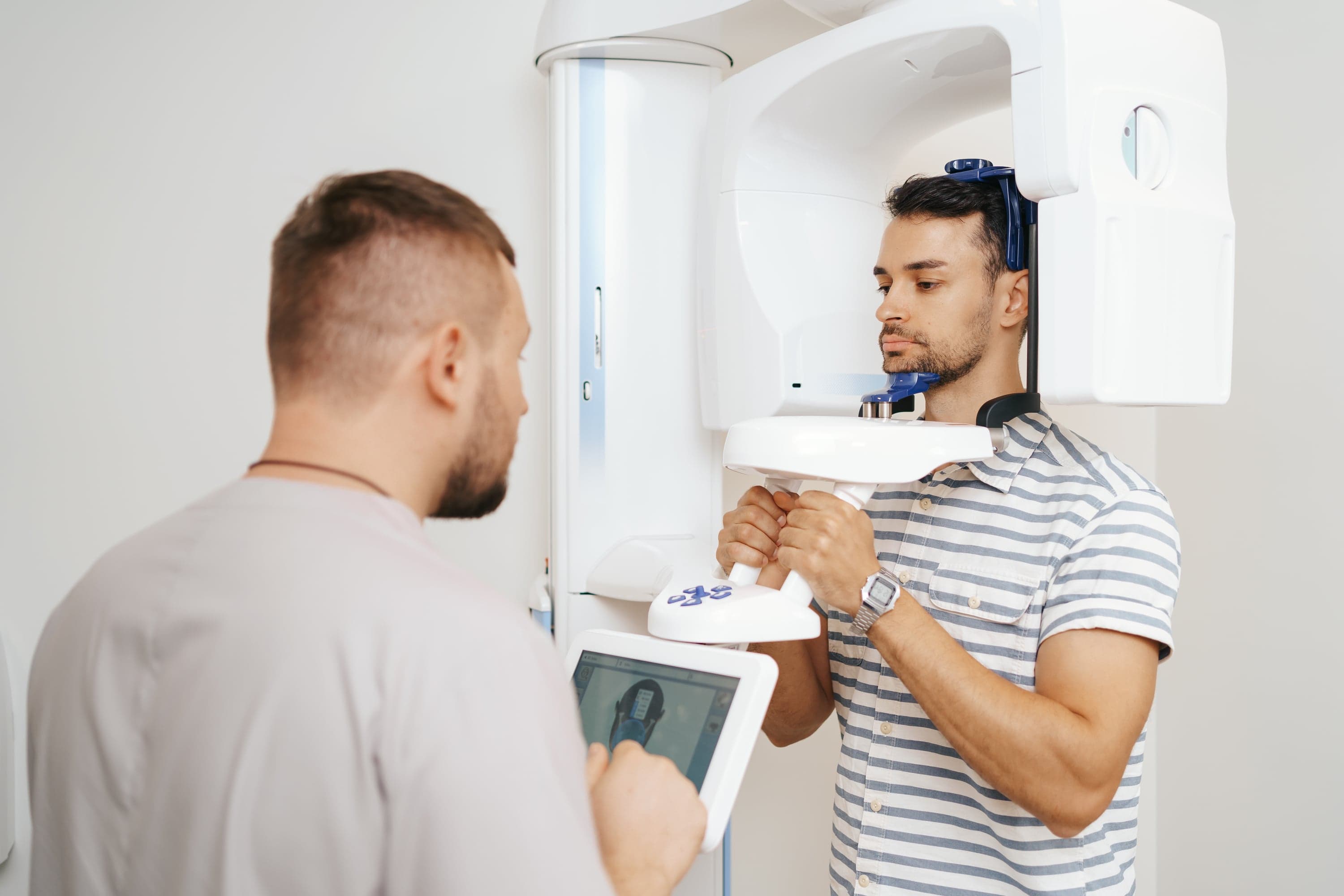
Assessment and Imaging
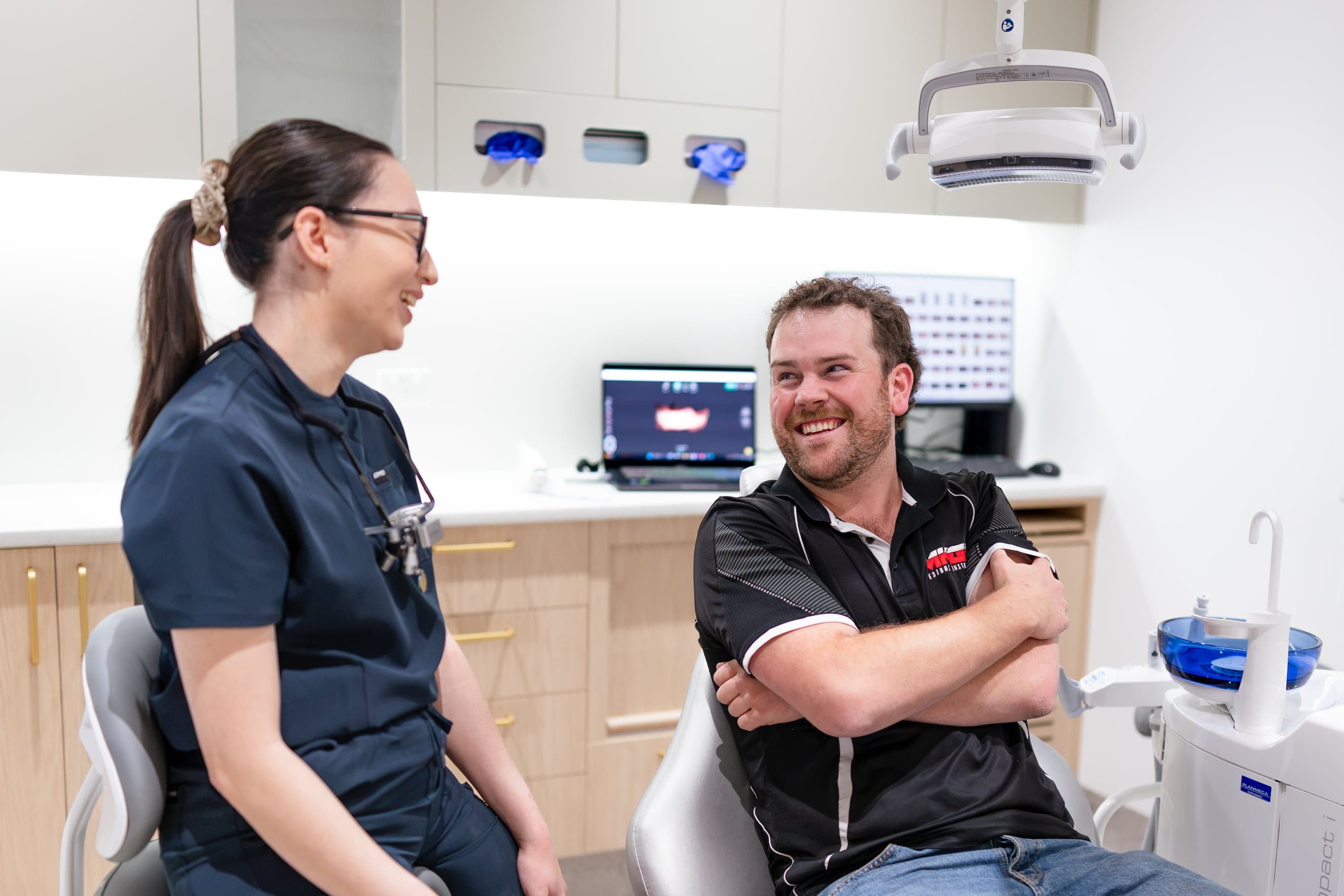
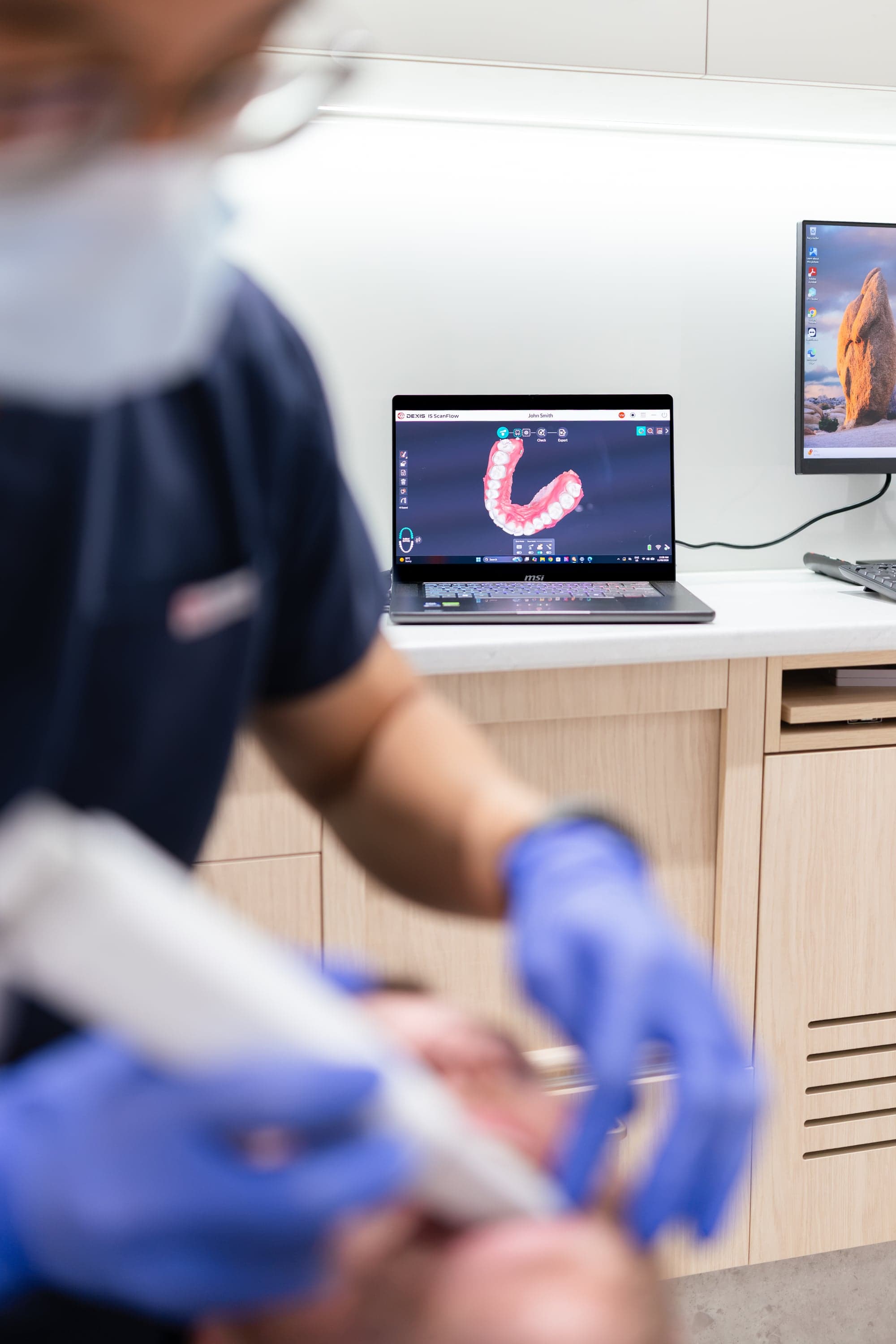
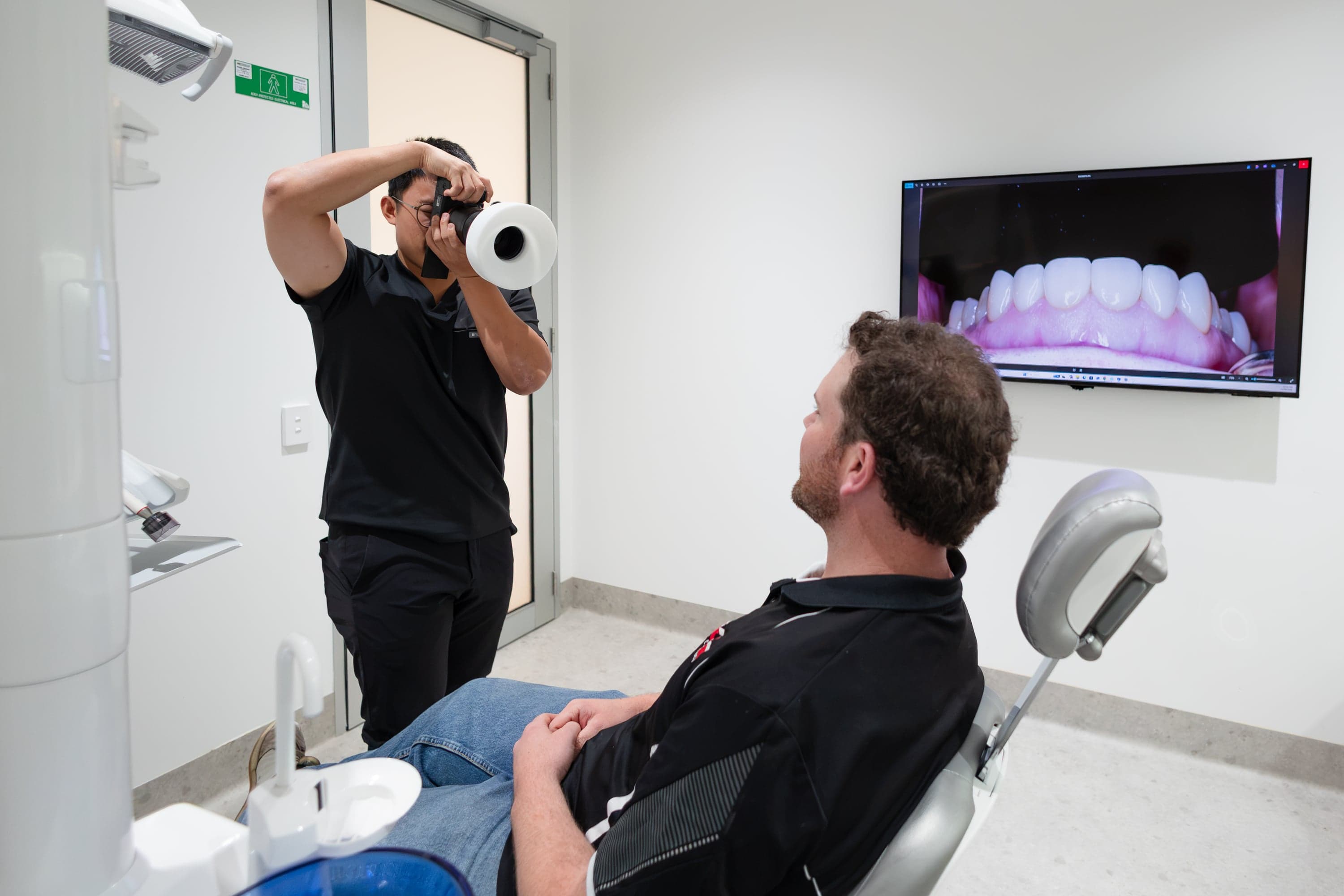
Your dentist examines the tooth and takes digital X-rays — and CBCT three-dimensional imaging where indicated — to map the root canals and assess the full extent of infection. You will see the images on screen and hear exactly what has been found before any decisions are made. For molars with complex anatomy or curved canals, CBCT provides a level of detail that standard X-rays cannot.
Assessment and Imaging
Your dentist examines the tooth and takes digital X-rays — and CBCT three-dimensional imaging where indicated — to map the root canals and assess the full extent of infection. You will see the images on screen and hear exactly what has been found before any decisions are made. For molars with complex anatomy or curved canals, CBCT provides a level of detail that standard X-rays cannot.
Anaesthesia and Isolation
A topical numbing gel is applied first, followed by a carefully administered local anaesthetic. For patients who feel anxious about dental treatment, oral sedation options can be discussed at your consultation — speak with your dental team before the appointment and they will make arrangements. Once the area is fully numb, a small rubber dam is placed around the tooth to keep it dry and free from saliva during the procedure. You can raise your hand at any point to pause.

Anaesthesia and Isolation
A topical numbing gel is applied first, followed by a carefully administered local anaesthetic. For patients who feel anxious about dental treatment, oral sedation options can be discussed at your consultation — speak with your dental team before the appointment and they will make arrangements. Once the area is fully numb, a small rubber dam is placed around the tooth to keep it dry and free from saliva during the procedure. You can raise your hand at any point to pause.
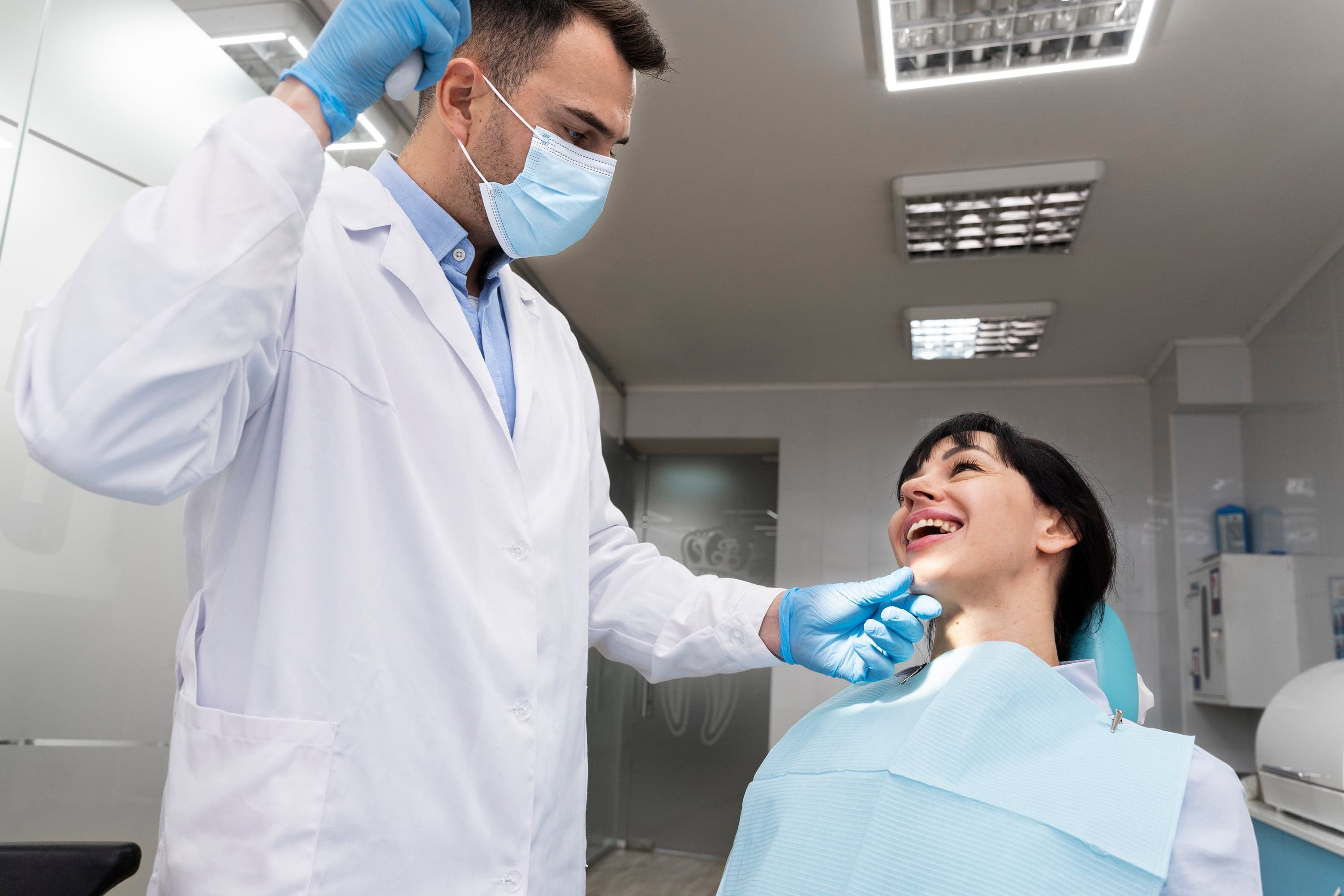
Pulp Removal and Canal Cleaning
Your dentist creates a small opening through the crown of the tooth and uses specialist endodontic rotary instruments to gently remove the infected pulp tissue. Each canal is cleaned, shaped, and irrigated repeatedly with an antibacterial solution — typically sodium hypochlorite — to eliminate bacteria from the full length of the canal system. The rotary instruments allow precise shaping without removing excess tooth structure.
Pulp Removal and Canal Cleaning
Your dentist creates a small opening through the crown of the tooth and uses specialist endodontic rotary instruments to gently remove the infected pulp tissue. Each canal is cleaned, shaped, and irrigated repeatedly with an antibacterial solution — typically sodium hypochlorite — to eliminate bacteria from the full length of the canal system. The rotary instruments allow precise shaping without removing excess tooth structure.
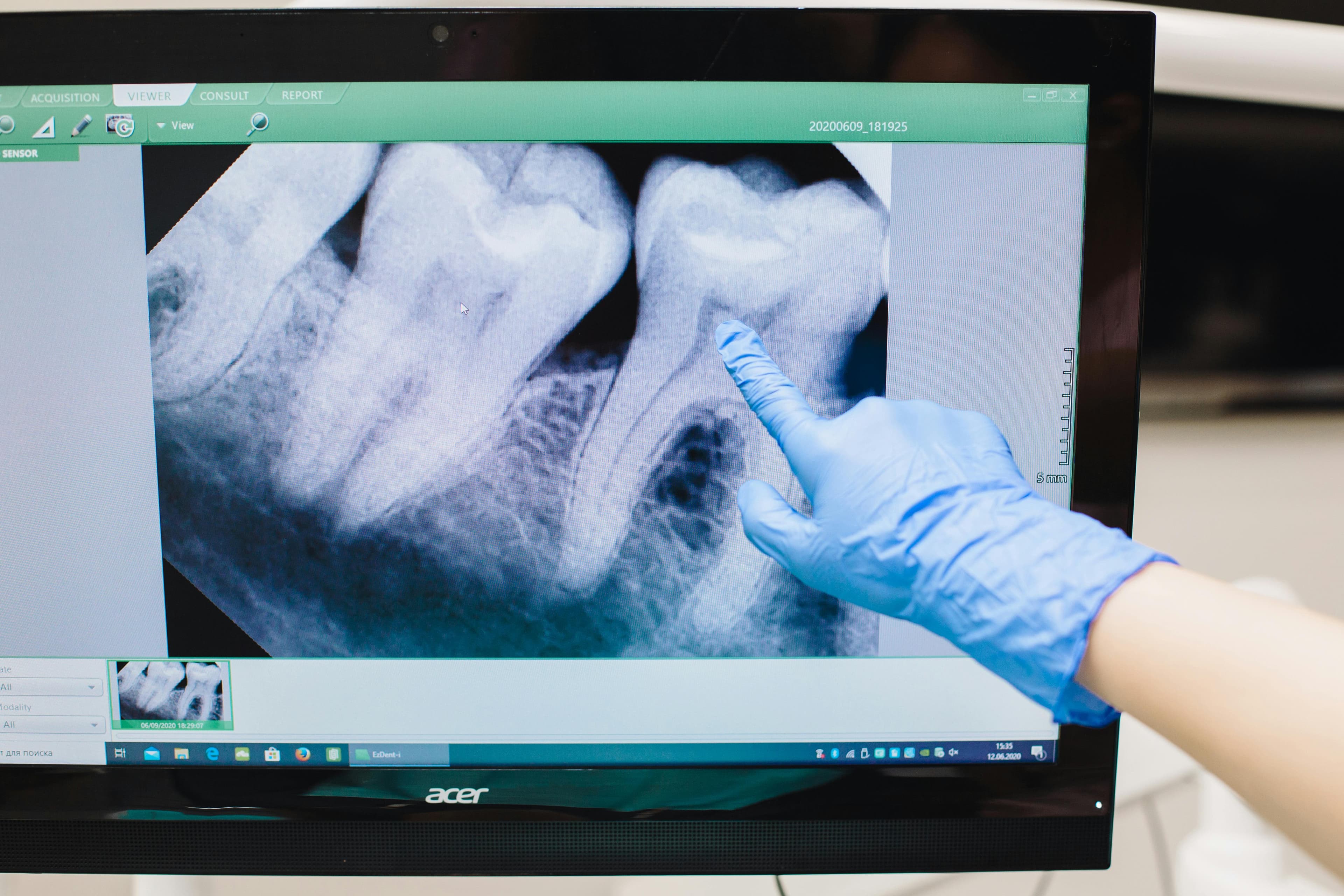
Canal Filling and Seal
Once the canals are clean, dry, and shaped, they are filled with a biocompatible rubber-like material called gutta-percha and sealed with adhesive cement. This creates an airtight seal that prevents bacteria from re-entering the canal space. A temporary or permanent filling closes the access opening in the crown of the tooth.
Canal Filling and Seal
Once the canals are clean, dry, and shaped, they are filled with a biocompatible rubber-like material called gutta-percha and sealed with adhesive cement. This creates an airtight seal that prevents bacteria from re-entering the canal space. A temporary or permanent filling closes the access opening in the crown of the tooth.
Crown for Structural Protection
Back teeth that have had root canal treatment are more brittle because they no longer have a blood supply — they need the protection of a crown to prevent fracture under normal chewing forces. Your dentist will discuss whether a crown is recommended for your specific tooth, the material options (porcelain, zirconia, or porcelain-fused-to-metal), and the cost — all before any further work begins. Front teeth with sufficient remaining structure may sometimes be restored with a filling.
Crown for Structural Protection
Back teeth that have had root canal treatment are more brittle because they no longer have a blood supply — they need the protection of a crown to prevent fracture under normal chewing forces. Your dentist will discuss whether a crown is recommended for your specific tooth, the material options (porcelain, zirconia, or porcelain-fused-to-metal), and the cost — all before any further work begins. Front teeth with sufficient remaining structure may sometimes be restored with a filling.
Worried About a Toothache That Will Not Go Away?
Your consultation includes a thorough assessment, digital X-rays, and a clear explanation of your options — with a written quote before any treatment begins.
Your Care, Our Standards
Every root canal treatment at Joyner Family Dental follows evidence-based protocols with full transparency at every step.


03 / Myths vs reality
What You Have Heard vs What Actually Happens
Root canal treatment has a reputation problem. Most of it comes from a time before modern anaesthesia, rotary instruments, and digital imaging. Here is what the evidence says.
Reality
A 2011 study in the Journal of Endodontics found that patients who had root canal treatment reported significantly less discomfort than those who had a tooth extracted. Modern anaesthesia means the procedure itself is comparable to having a filling placed.
Journal of Endodontics, 201104 / The science
Is Root Canal Treatment Safe?
A persistent internet claim links root canal treatment to systemic illness. This traces back to research from the 1920s that has been thoroughly debunked. Here is what modern science says.
The claim
“Root canals cause cancer and systemic disease”
The evidence
This claim originates from Dr Weston Price's focal infection theory, published in the 1920s. His experiments used flawed methodology that could not be replicated under modern scientific standards. The American Association of Endodontists has stated there is no valid, peer-reviewed scientific evidence linking root canal treatment to disease elsewhere in the body. The Australian Dental Association supports this position.
American Association of Endodontists — Myths About Root CanalsThe claim
“Bacteria sealed inside the tooth cause illness”
The evidence
Modern endodontic protocols use antibacterial irrigants and biocompatible filling materials to eliminate bacteria from the canal system. A 2022 systematic review in the International Endodontic Journal confirmed that contemporary cleaning and shaping techniques achieve predictable disinfection. Residual bacteria in dentinal tubules have not been shown to cause systemic disease in peer-reviewed research.
International Endodontic Journal, 2022The claim
“Extraction is safer than root canal treatment”
The evidence
Tooth extraction carries its own risks, including dry socket, infection, nerve damage, and the long-term consequences of bone resorption in the extraction site. The Australian Dental Association recommends preserving natural teeth wherever clinically appropriate. A retained natural tooth maintains jawbone density, bite alignment, and avoids the cost and complexity of replacement with an implant, bridge, or denture.
Australian Dental Association — Root Canal Treatment05 / Costs and payment
Root Canal Costs at Joyner Family Dental
The cost of root canal treatment depends on which tooth is affected and how many root canals it has. Front teeth have one canal; molars have three or four. Here are our typical ranges.
Front Tooth (1 canal)
$800–$1,200
- Single root canal treatment
- Local anaesthesia included
- Gutta-percha filling and seal
- Temporary or permanent restoration
Incisors and canines — typically one appointment
Premolar (1-2 canals)
$1,000–$1,500
- One or two root canals treated
- Local anaesthesia included
- Gutta-percha filling and seal
- Temporary or permanent restoration
May require one or two appointments
Molar (3-4 canals)
$1,400–$2,200
- Three or four root canals treated
- Local anaesthesia included
- Gutta-percha filling and seal
- Temporary or permanent restoration
Larger teeth — typically two appointments
Prices include the root canal procedure and local anaesthesia. A follow-up crown (if recommended) is quoted separately. Your initial consultation and any required X-rays are quoted separately. All prices are a guide — you will receive a written quote before any work begins.
We accept all major health funds and process claims on the spot with HICAPS. Root canal treatment is typically covered under your extras policy — check with your fund or review your policy for details.
06 / Common questions
Root Canal Treatment FAQ
Answers to the questions your dental team hears most often about root canal treatment.
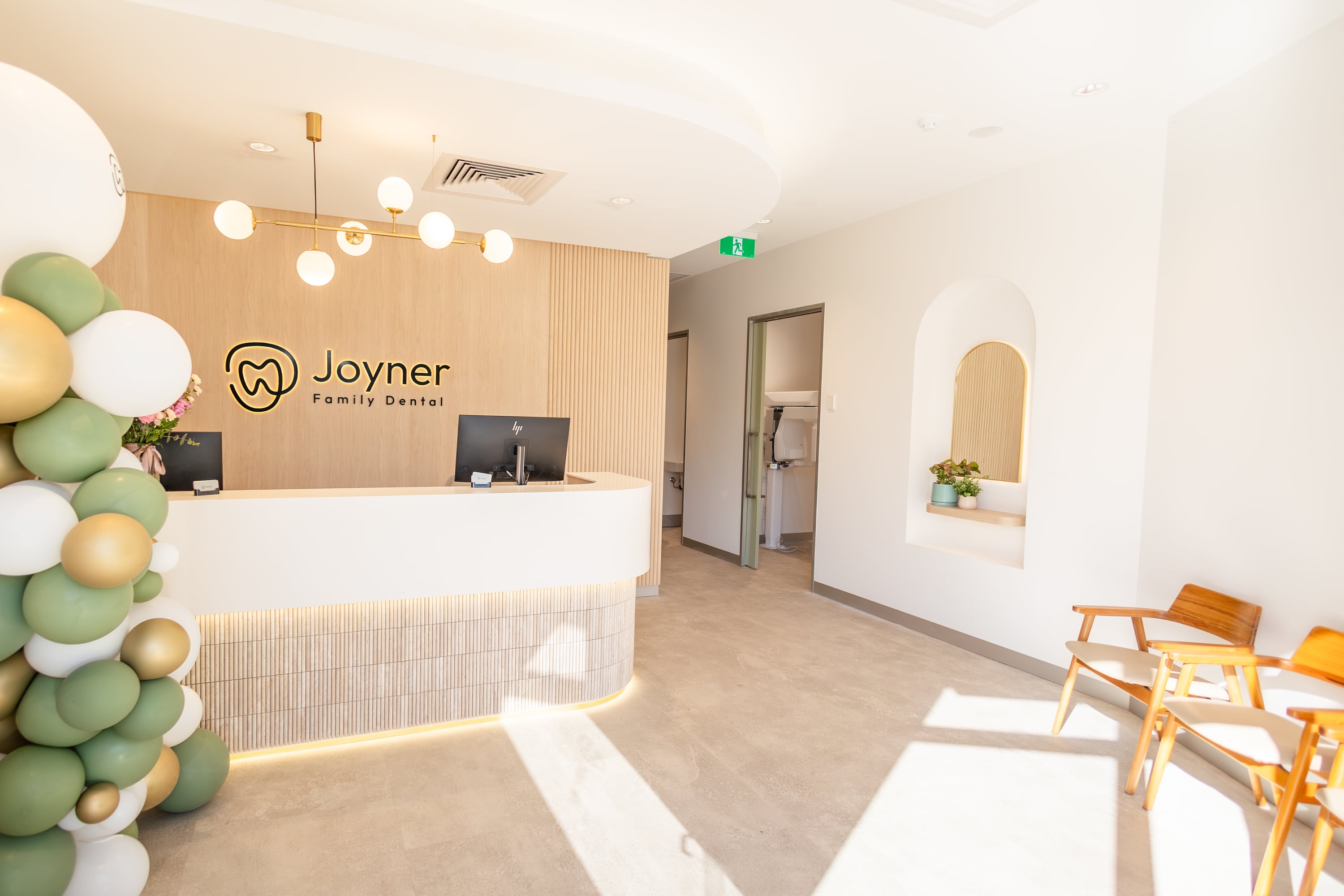
Your Tooth Deserves a Second Chance — Your Dental Team Is Ready
Whether it is a nagging toothache or a referral from another dentist, your consultation starts with a thorough assessment, clear answers, and a written quote. No pressure, no surprises.