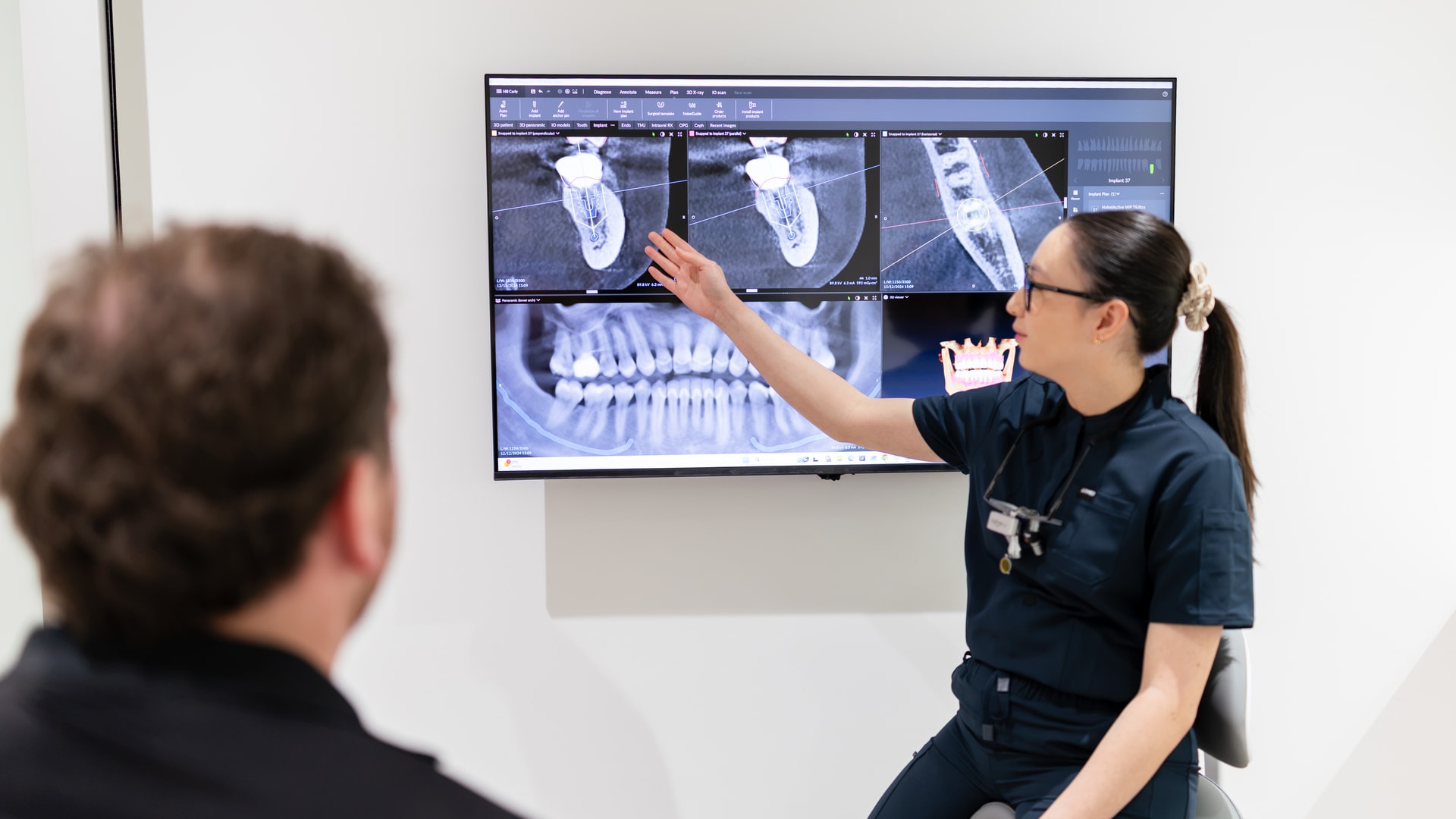
Wisdom teeth removal is a surgical procedure. Risks, benefits, and alternatives will be discussed in detail at your consultation.
General Dentistry
Wisdom Teeth Removal — Honest Assessment. No Surprises.
Not every wisdom tooth needs removing. Your dentist will assess whether yours is causing genuine problems — using clinical examination and, where needed, an OPG panoramic X-ray — and give you a straight answer before any treatment is discussed. When extraction is the right call, a written quote is provided upfront and all sedation levels are available. Serving Joyner, Strathpine, Warner, Cashmere, and Albany Creek.


01 / Honest assessment
Do Your Wisdom Teeth Actually Need Removing?


When extraction is recommended
We recommend extraction when symptoms are recurring, when there's damage to adjacent teeth, or when the tooth is contributing to an infection your body can't resolve on its own. Impacted teeth that show no symptoms may still be monitored — extraction isn't automatic.
When monitoring is appropriate
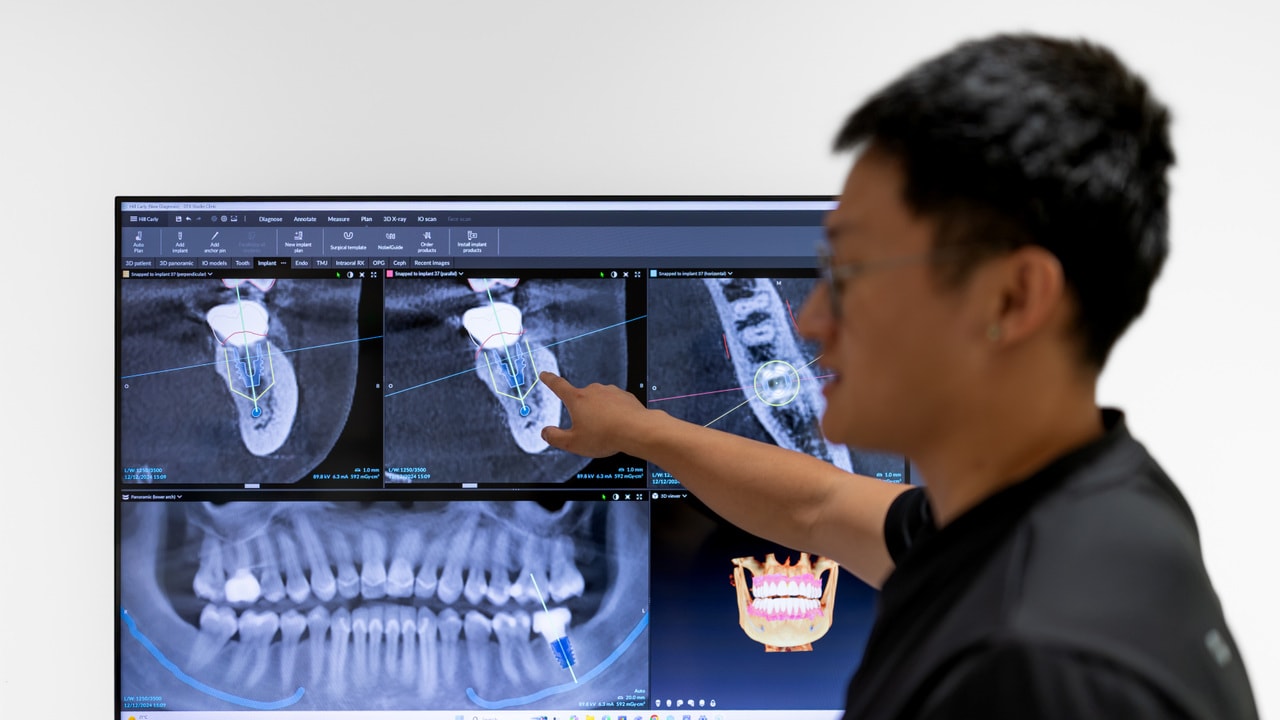
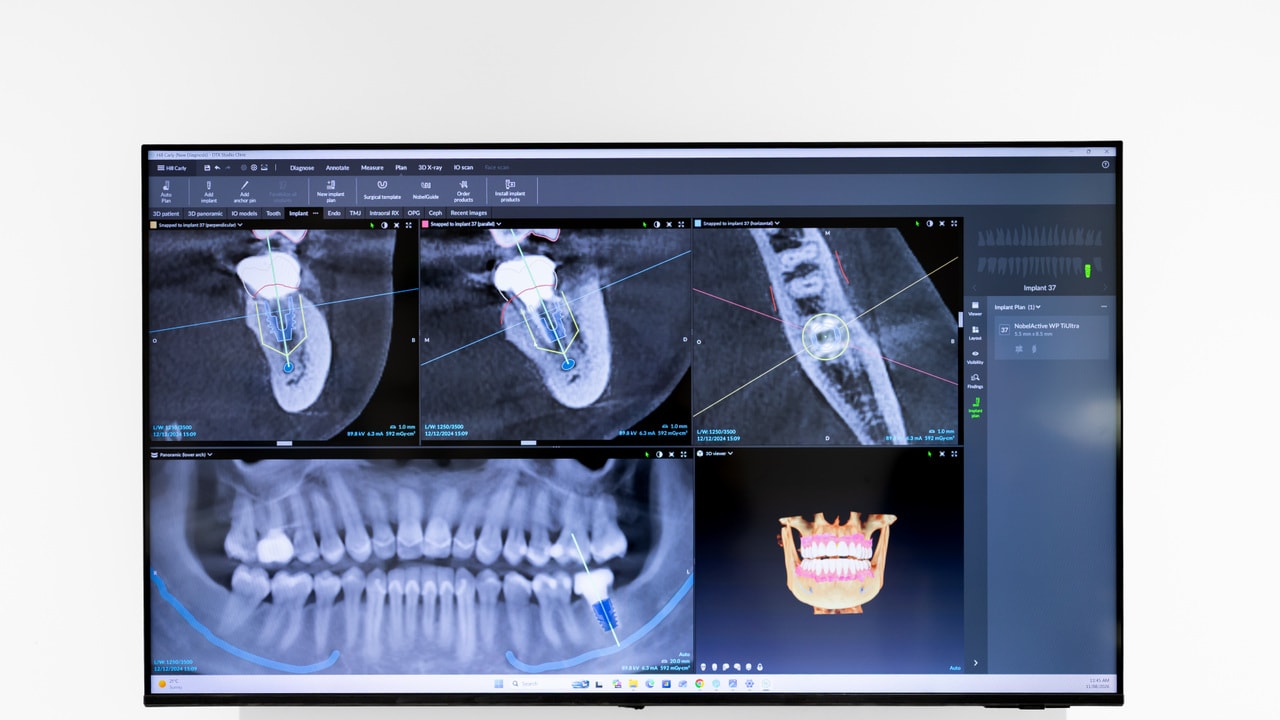
If your wisdom teeth are fully erupted, biting comfortably, and causing no pathology, monitoring may be the right choice. Your dentist will assess with a clinical examination and, where needed, an OPG panoramic X-ray or CBCT scan. No recommendation is made without imaging.
Anxious about removal Our sedation dentistry options — including IV twilight sedation — make the procedure more comfortable. For routine tooth removal, general tooth extractions are also available. Flexible payment plans can help spread the cost of treatment.
What patients worry about
Real Concerns. Honest Answers.

"What if the anaesthetic doesn't fully work?"
Local anaesthetic reliably numbs the area in 3–5 minutes. You'll feel pressure and movement — that's normal — but not pain. If you feel discomfort, tell your dentist immediately and more anaesthetic is given before proceeding. We don't start until you're numb.

"I can't afford to be laid up for a week."
Most patients return to light work or study within 2–3 days. Days 4–5 is typically when swelling peaks and then reduces. We provide a day-by-day recovery guide so you can plan around your schedule — not guess.

"I've heard about dry socket — how likely is it really?"
Dry socket occurs in about 5–10% of extractions and is more common in smokers. It's manageable — a dressing placement resolves it within a week. We give you specific prevention instructions for the highest-risk window (Days 2–5) to reduce your individual risk.
02 / The process
Four Steps from Assessment to Recovery
Consultation & X-rays
Your dentist examines your wisdom teeth clinically and, where needed, takes an OPG panoramic X-ray or CBCT cone beam scan. You'll receive a clear explanation of findings, your options, and a written treatment plan with fees before any decision is made.
Consultation & X-rays
Your dentist examines your wisdom teeth clinically and, where needed, takes an OPG panoramic X-ray or CBCT cone beam scan. You'll receive a clear explanation of findings, your options, and a written treatment plan with fees before any decision is made.
Your Extraction Plan
Together you'll confirm the extraction approach (simple or surgical), your sedation preference, and pre-operative instructions. For surgical extractions involving sedation, fasting requirements and a designated driver will be confirmed.
Your Extraction Plan
Together you'll confirm the extraction approach (simple or surgical), your sedation preference, and pre-operative instructions. For surgical extractions involving sedation, fasting requirements and a designated driver will be confirmed.
Extraction Appointment
On the day: local anaesthetic is administered, and you wait 3–5 minutes for full onset before your dentist proceeds. Simple extractions take 5–15 minutes. Surgical extractions involving sectioning or bone removal may take 30–90 minutes. You're monitored throughout.
Extraction Appointment
On the day: local anaesthetic is administered, and you wait 3–5 minutes for full onset before your dentist proceeds. Simple extractions take 5–15 minutes. Surgical extractions involving sectioning or bone removal may take 30–90 minutes. You're monitored throughout.
Recovery & Follow-Up
You'll leave with post-operative instructions, emergency contact details, and prescriptions if needed. A follow-up review is scheduled for suture removal or socket check. Most patients are fully functional within 7–10 days.
Recovery & Follow-Up
You'll leave with post-operative instructions, emergency contact details, and prescriptions if needed. A follow-up review is scheduled for suture removal or socket check. Most patients are fully functional within 7–10 days.
Individual results vary. Complications, while uncommon, may include bleeding, infection, dry socket, and in rare cases temporary or permanent altered sensation.
03 / Recovery timeline
Day by Day: Your Wisdom Teeth Recovery
A realistic, plannable timeline — not a vague estimate.
Wisdom teeth removal at Joyner Family Dental
Know whether extraction is actually needed - before you commit to treatment.
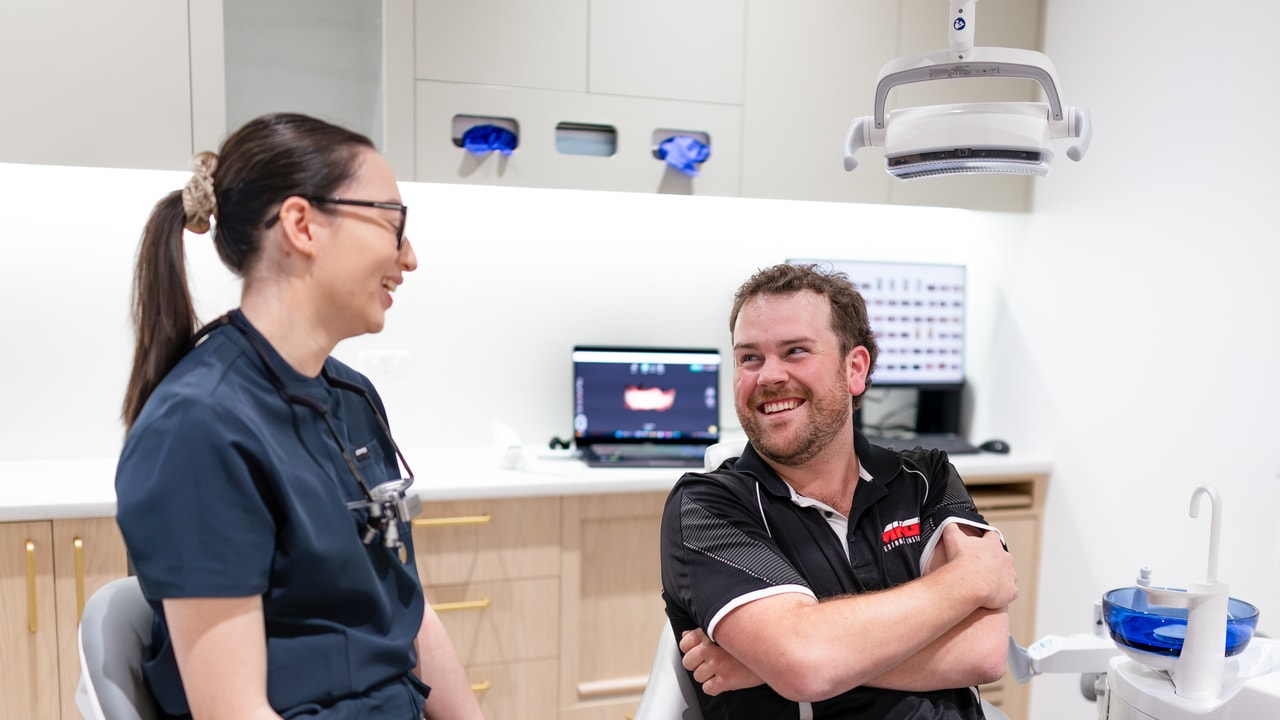
Your wisdom teeth consultation
Find Out Whether Extraction Is Right for You
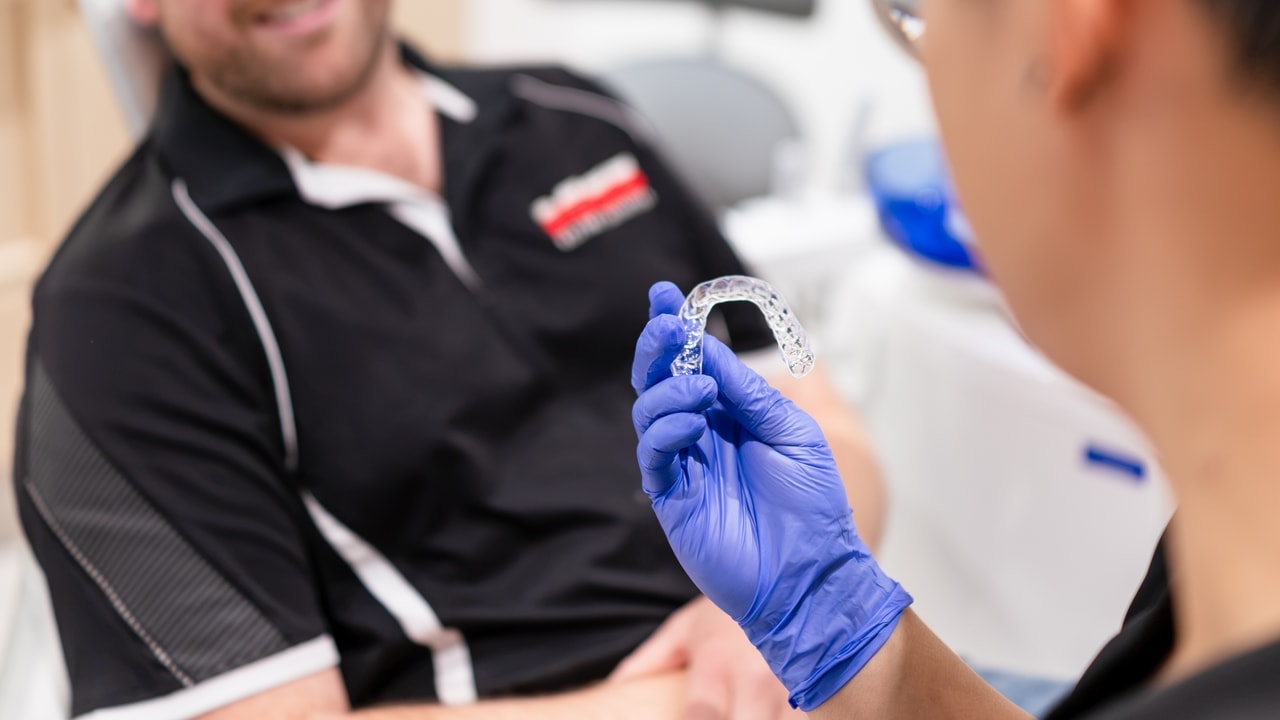
Your consultation includes a clinical examination, OPG X-ray review if needed, and a clear written quote. You leave knowing your options and their costs — with no pressure to decide on the day.
04 / Transparent pricing
Wisdom Teeth Pricing — Indicative Fee Ranges
Indicative fees for your reference. A written quote is provided at your consultation before any treatment proceeds. All fees are per tooth unless noted.
Sedation options are quoted at consultation. IV sedation, oral sedation, and local anaesthetic alone are all available. All treatment is subject to clinical assessment. Indicative ranges only.
05 / Your questions answered
Wisdom Teeth FAQs
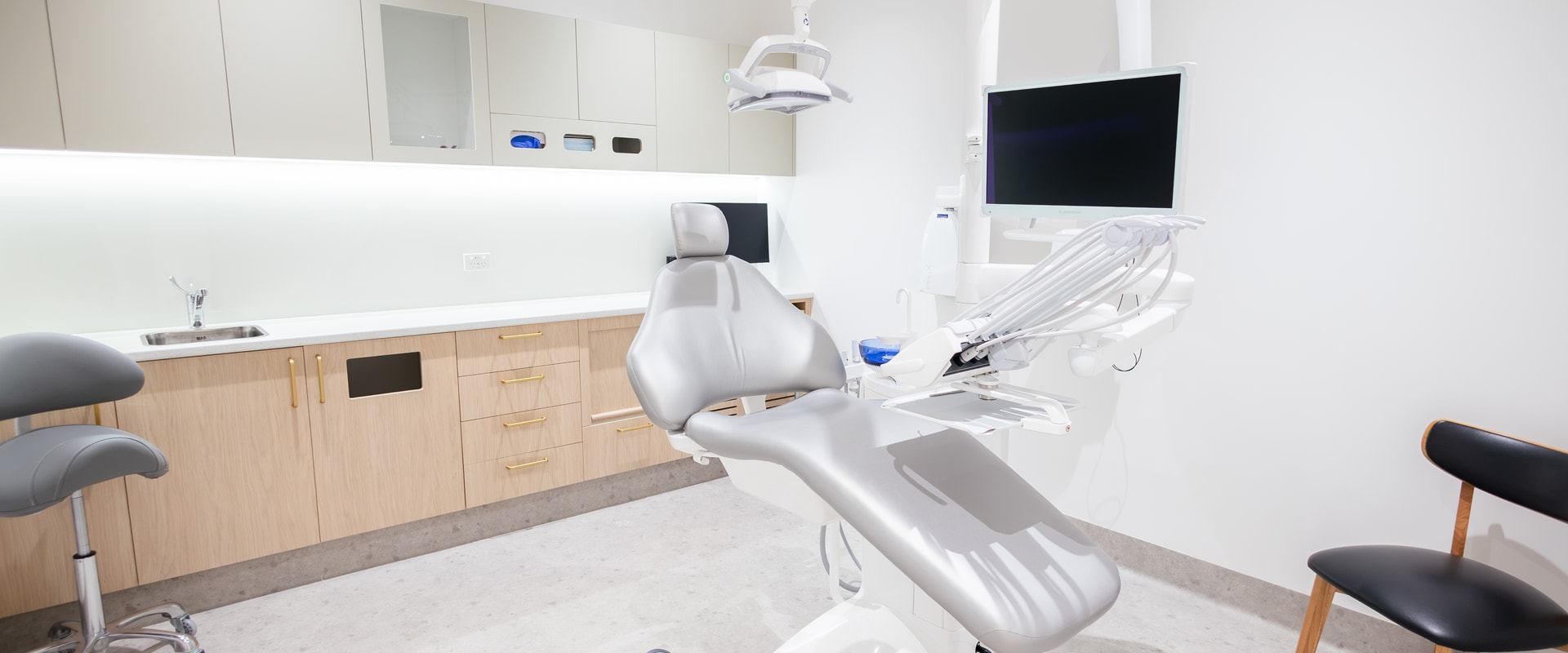
Know Your Options Before You Decide
Your wisdom teeth consultation includes a clinical examination, OPG X-ray review if needed, and a clear written quote. You leave with a full picture — no pressure to proceed on the day.