Cosmetic Dentistry
Dental Bonding in Joyner, QLD — Reshape, Repair, and Restore
Dental bonding uses composite resin sculpted freehand by your dentist to address chips, gaps, and discolouration — in a single visit, no drilling required for most cases. Serving Joyner, Warner, Cashmere, Strathpine, and the Moreton Bay region.


What is dental bonding?
Composite Resin. Sculpted by Hand. Shaped to You.
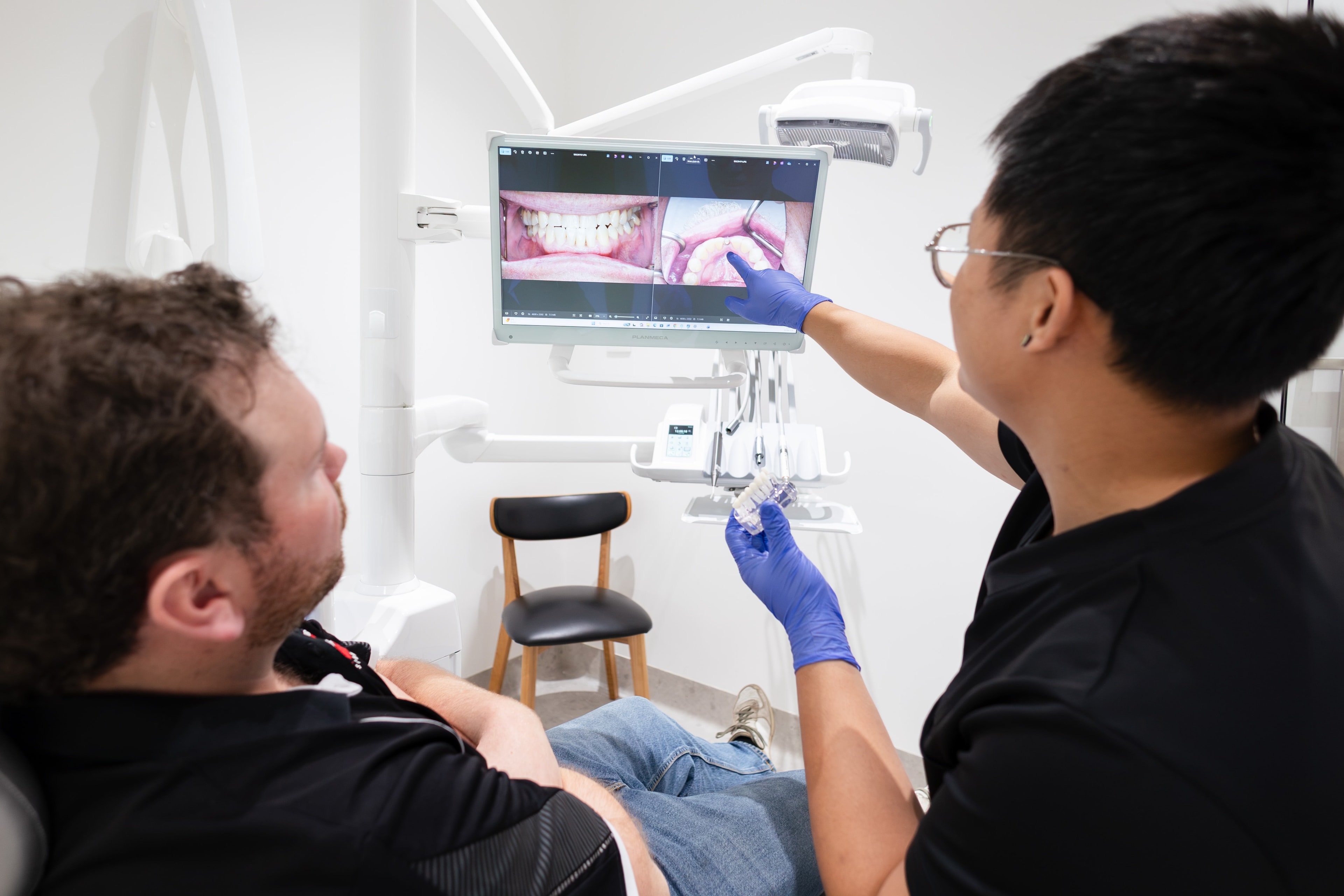
Dental bonding is one of the most hands-on procedures in cosmetic dentistry. Your dentist applies composite resin — a tooth-coloured material with a clay-like consistency — directly to the tooth surface, then sculpts and shapes it freehand while it is still workable. A curing light hardens it in seconds. The process repeats until the result is exactly right.
No impressions. No laboratory. No waiting weeks for a result. In a single appointment of 30 to 60 minutes per tooth, a chip is closed, a gap is narrowed, a discoloured patch is covered. The composite bonds chemically to your tooth — no crowns, no veneers, no removal of healthy tooth structure in most cases.
“Bonding is the most hands-on thing we do. Every curve shaped to you.”
For more extensive changes, porcelain veneers offer a longer-lasting result. If you’re considering a full transformation, explore our smile makeover service, or combine bonding with professional teeth whitening for a complete refresh.
What to expect
A Single Visit. Six Precise Steps.
Most bonding appointments take between 30 and 60 minutes per tooth. Your dentist works through the following steps at every appointment — there are no shortcuts, because the result depends on each one being done carefully.
Assessment
Your Dentist Examines the Tooth
Before any material is applied, your dentist assesses the tooth — checking the extent of the chip, gap, or discolouration, the condition of surrounding enamel, and whether bonding is the right approach for your situation. If a different option would serve you better, you will be told clearly at this stage.
Shade matching
Composite Shade Is Selected
Composite resin comes in a range of shades and translucencies. Your dentist selects the combination that matches your natural tooth colour — accounting for the different zones of a tooth (the darker body, the lighter incisal edge). This step is done in natural light where possible to ensure the result looks correct in different lighting conditions.
Surface preparation
The Tooth Surface Is Etched and Primed
A mild phosphoric acid gel is applied to the bonding area for about 20 seconds, then rinsed. This microscopically roughens the enamel surface, creating millions of tiny irregularities that the composite resin can grip mechanically. A bonding agent is then brushed on and set with a light — this is the adhesive layer that joins the composite to your tooth.
Application
Composite Is Applied in Layers
The composite resin is applied in thin layers — not all at once. Each layer is hardened with a polymerising light before the next is added. This incremental approach gives your dentist control over shape, depth, and translucency, and ensures the material sets fully without internal voids or stress points. Most teeth require two to four layers.
Sculpting
Shape and Contour Are Refined
With all layers in place, your dentist uses fine instruments to refine the shape by hand — trimming the edges, smoothing the transitions, and matching the natural contour of your tooth. You are asked to bite gently against articulating paper so your dentist can check your bite and adjust any high points before the final set.
Polish
Final Polish and Check
The completed bonding is polished with a sequence of abrasive discs and polishing paste until the surface has the same sheen as natural tooth enamel. Your dentist checks the margins, the bite, and how the tooth looks at conversational distance. You are shown the result and given the opportunity to request any final adjustments before leaving.
Is bonding right for you?
Bonding Works Well for These Situations
Composite bonding is a versatile procedure — it addresses a wide range of cosmetic concerns without removing healthy tooth structure. Here are the most common reasons patients choose bonding. If you see your situation here, you are likely a good candidate.

Chipped or fractured tooth
A chip — from biting hard food, an accidental knock, or years of gradual wear — can be rebuilt to its original contour using composite resin matched to your tooth colour.

Small gaps between teeth
A narrow space (diastema) between front teeth can be closed by building out the edges of one or both teeth. Bonding works well for gaps up to 2-3mm wide — larger spacing may warrant a different approach.

Discolouration that does not respond to whitening
Intrinsic staining — from tetracycline antibiotics, fluorosis, old restorations, or trauma — sits inside the tooth structure and does not respond to whitening. Bonding covers it with matched composite.

Worn or shortened edges
Teeth worn down by grinding, acid erosion, or natural ageing can have their length restored with bonding. This is particularly common on the lower front teeth, where the incisal edges wear unevenly over time.

Minor shape irregularities
A tooth that is slightly too narrow, too pointed, or otherwise shaped differently from its neighbours can be reshaped with composite to create a more even appearance — without drilling or crowning.

You want a change, with a safety net
Bonding does not require removing tooth enamel in most cases, which means the tooth is unchanged underneath. If you later decide to pursue a different option, bonding can be removed and the tooth remains intact.
Your first bonding consult
Find Out What Bonding Can Do — For $179
Your first bonding consultation is $179. You leave knowing exactly what is possible for your specific teeth, what it will cost, and how many visits are involved. No obligation to proceed on the day.
How long does bonding last?
Five to Ten Years. Longer with the Right Care.
Composite bonding lasts five to ten years on average before it needs refreshing — either due to normal wear, staining, or a chip at the bonding edge. Some patients go longer; some need a touch-up sooner, depending on where the bonding is placed and how the tooth is used. Your dentist can assess the condition of existing bonding at any regular check-up and recommend next steps when the time comes.
5-10 years
average lifespan with normal care
Journal of Dentistry, adhesive restorations review
Three things that extend the life of your bonding

Clean After Every Use
Brush twice daily with a soft-bristled toothbrush and a non-abrasive toothpaste — abrasive pastes scratch the composite surface and dull its polish over time. Floss gently at the bonding margins. If you use an electric toothbrush, keep the brush moving rather than pressing it statically against the bond site.

Protect It From Impact
Composite resin is not as hard as natural enamel, and bonding chips more readily under sharp impact. Avoid biting directly into hard foods like whole apples, crusty bread, or ice with the bonded tooth. If you grind your teeth at night, ask about a night guard — grinding places repeated shear forces on bonding margins that will shorten its life.

Know When It Needs Refreshing
Bonding that has reached the end of its life usually shows as surface staining that cannot be cleaned away, a rough edge where the composite meets enamel, or a slight colour mismatch. These are all manageable at a standard appointment — your dentist polishes the surface, reseals any margins, or replaces the bonding layer if needed. The tooth underneath is unchanged.
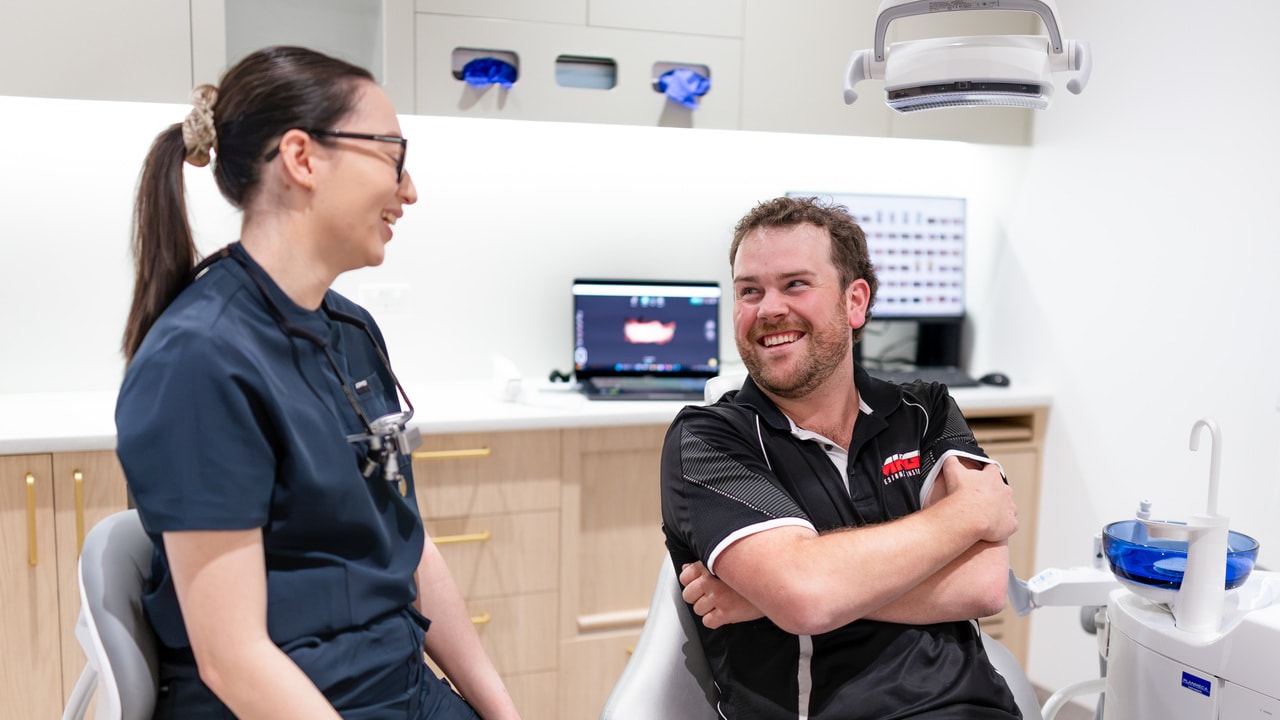
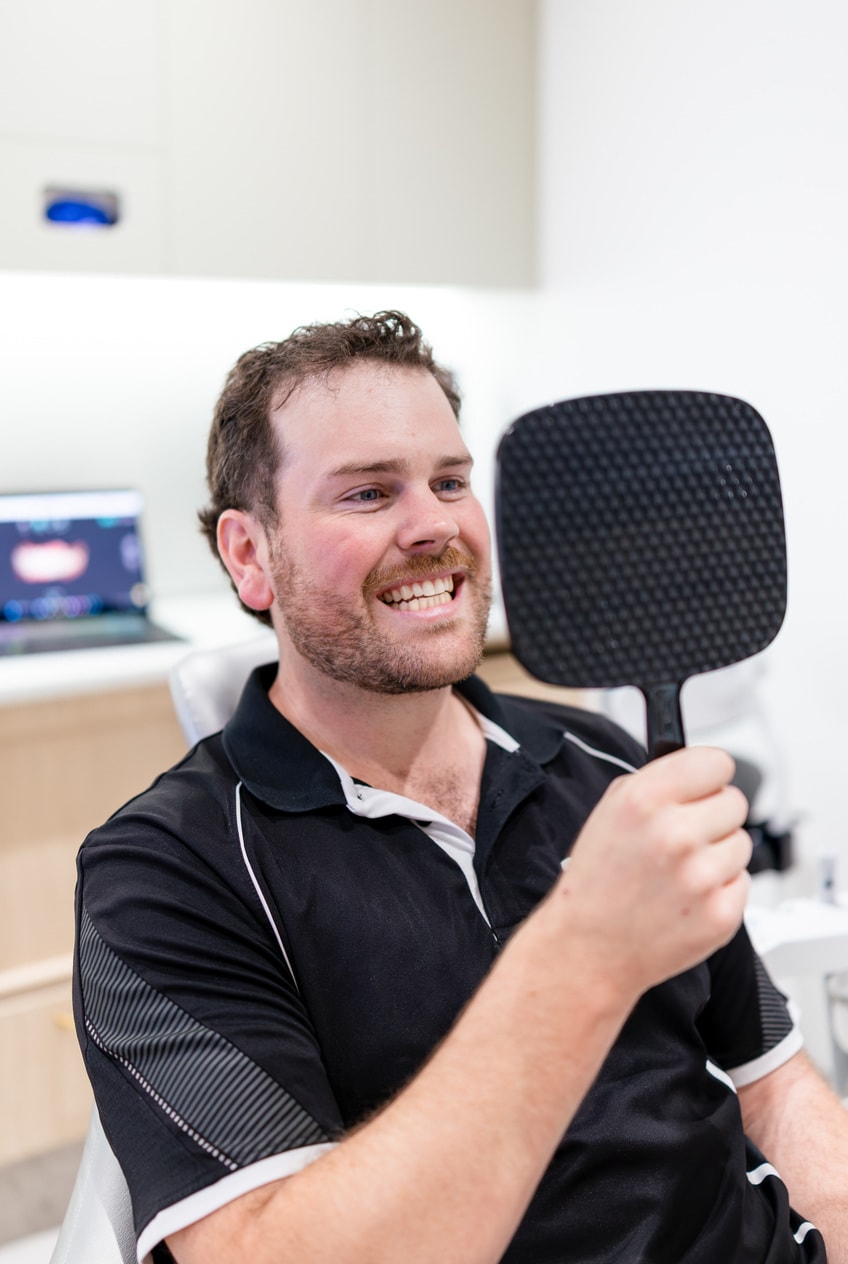
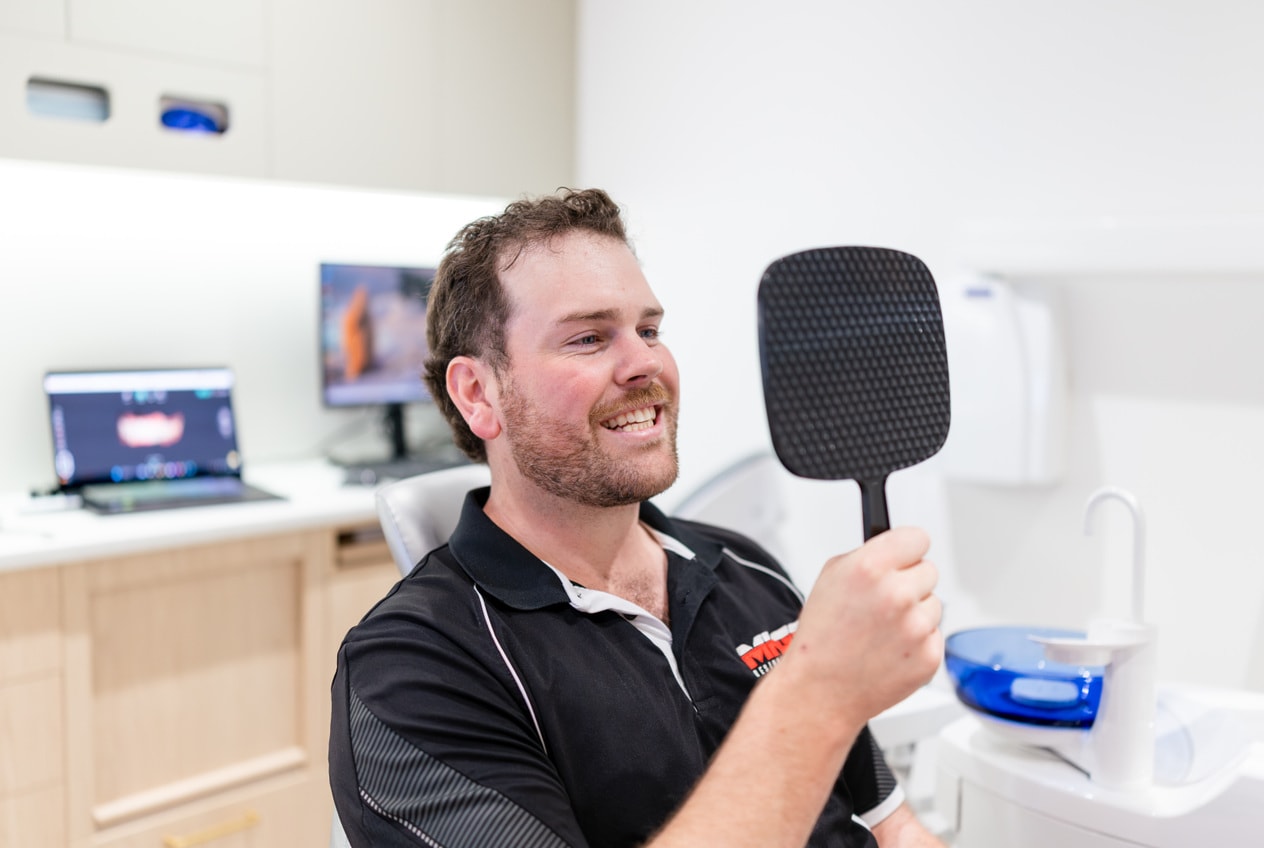
Considered cosmetic care at Joyner Family Dental
The best cosmetic result is the one that looks like nothing was done.
Making the right choice
Bonding or Porcelain Veneers — What Is the Difference?
Both bonding and porcelain veneers address cosmetic concerns on the front surface of teeth. The right choice depends on how much change is needed, how long you want the result to last, and what you are prepared to commit to in terms of time and cost. Here is a straightforward comparison.
Cost per tooth
Number of visits
Reversibility
Enamel removal
Longevity
Stain resistance
Ideal for
Interested in veneers? Read our full guide to porcelain veneers.
Common questions
Questions Patients Ask Before Their Bonding Appointment
Ready to Reshape Your Smile?
Your first bonding consultation is $179. Your dentist examines your teeth, discusses what is possible, and gives you a clear quote — with no obligation to proceed on the day. Most patients leave knowing exactly whether bonding is right for them.